
Blog
Continuous vs Flash Lighting: Pros & Cons

Published: 18 August 2025 Last Updated: 13 August 2026
Lighting is one of the most important elements of photography. A high-quality camera and lens can capture excellent details, but poor lighting can reduce image clarity, affect colors, and create unwanted shadows. Professional photographers spend considerable time selecting the right lighting tools because the light source directly influences the final result.
Continuous lights provide a constant source of illumination that is easy to preview, while flash lighting delivers powerful bursts of light for sharper images and professional results. Understanding the difference between the two, their benefits, limitations, and ideal uses helps photographers select the right equipment for their needs.
The Rising Popularity of Photography Lighting Among Modern Creators
The photography lighting equipment market was valued at nearly $49.82 billion in 2025 and is projected to reach $65.32 billion by 2032, growing at a compound annual rate of 3.8 percent, according to Verified Market Reports.
This growth is not just an industry statistic; it reflects a genuine shift in who buys lighting gear. A decade ago, dedicated studio lighting was mostly the domain of professional photographers with a permanent studio space. Today, a much wider mix of buyers, including home-based YouTubers, small online sellers, and hobbyists upgrading from a phone camera, are shopping for their first flash or LED panel.
Pakistan’s own content creation scene mirrors this shift. Wedding videographers, product photographers shooting for online stores, YouTubers filming from home studios, and small business owners all now weigh continuous lighting vs flash lighting before spending on gear, since the wrong choice wastes money on equipment that does not match the actual shoot.
Continuous Light vs Flash: What Each One Actually Does
Before comparing pros and cons in detail, it helps to understand what each type of light physically does, since the core mechanism behind each explains almost every strength and weakness that follows.
Continuous Lighting Explained
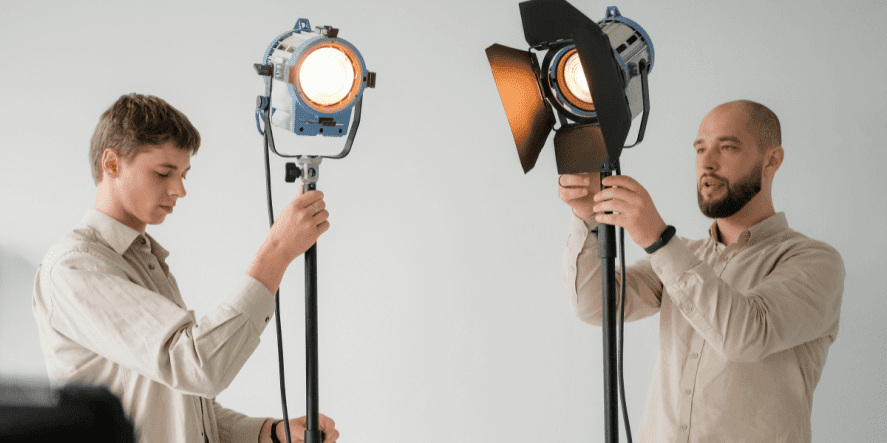
Continuous lighting stays on the entire time, much like a bright lamp or the sun. This includes LED panels, tungsten lights, fluorescent tubes, and ring lights. Photographers see exactly how the light falls on a subject before pressing the shutter, which makes it the easiest option to learn on and the reason most beginners start here rather than with flash. Most modern LED panels offer adjustable color temperature, so matching a Kelvin setting to the room or to daylight becomes simple rather than guesswork.
Flash Lighting Explained
Flash, also called strobe lighting, fires a short and powerful burst of light the instant the shutter opens. A camera’s built-in pop-up flash is a basic example; professional studio strobes and speedlights are far more powerful and controllable, often adjustable in 1/10-stop increments. Because the burst lasts a fraction of a second, flash freezes motion cleanly and can overpower bright sunlight, something continuous lighting struggles to do without extremely high output and a much larger power draw.
Pros and Cons of Continuous Lighting
Continuous lighting has become the default starting point for most beginners and content creators, largely because it removes the guesswork that comes with a light no one can see until after the shutter fires. That said, it comes with real trade-offs worth knowing before buying.
Pros
- Real-time preview of light, shadow, and color, ideal for beginners
- Works for both photo and video, unlike flash
- Simple to set up with no syncing or triggers required
Cons
- Older tungsten models generate noticeable heat in small rooms
- Draws more continuous power, which limits battery-powered or outdoor use
- Lower peak brightness than flash, so it struggles against strong ambient light
Pros and Cons of Flash Lighting
Flash asks for more upfront patience, since results only show up after the shot is taken, but that trade-off buys a level of power and motion-freezing ability that continuous lighting simply cannot match at the same price point.
Pros
- Much higher power output than continuous lights of similar size
- Freezes fast motion cleanly, useful for sports, dance, and candid shots
- More battery-efficient overall, since power is used only in short bursts
Cons
- No real-time preview, which means more trial and error while learning
- Traditional flash systems are not practical as the primary light source for video because they only produce short bursts rather than continuous illumination.
- Often needs extra gear like triggers, receivers, and light modifiers
Continuous Light vs Flash Photography: Key Differences
Understanding the differences between continuous and flash lighting helps photographers choose equipment that best suits their shooting requirements.
| Feature | Continuous Lighting | Flash Lighting |
| Light output | Constant illumination | Short burst of powerful light |
| Preview ability | Easy to see results before shooting | Requires test shots or modeling lights |
| Learning curve | Beginner-friendly | Requires more practice |
| Power output | Lower compared to professional flashes | Higher intensity |
| Heat production | Some lights may produce heat | Usually produces less continuous heat |
| Video suitability | Excellent choice | Limited use for video |
| Motion freezing | Less effective | Excellent for fast movement |
| Studio control | Good for simple setups | Better for advanced photography |
Flash vs Constant Light: How to Choose Based on What You Shoot
The better lighting choice usually depends less on personal preference and more on what is actually being shot, how much time there is to set up, and whether the final output is a still photo or moving video. The five shooting styles below cover most of the situations that Pakistani photographers and content creators encounter day-to-day.
1. Portrait Photographers
Studio portrait photographers often prefer flash for its power and ability to freeze small movements, like a blink or a shift in expression, without motion blur creeping in. Many also keep a continuous LED panel on hand for clients who are uncomfortable with repeated flashes, since a steady light source feels calmer during a long session.
2. Video Creators and Vloggers
Continuous lighting is nearly the only practical option here, since flash cannot illuminate a moving video frame the way it does a single still photo. LED panels with adjustable brightness and color temperature dominate this category for good reason, letting creators dial in a consistent look across an entire recording session without flicker or exposure jumps.
3. Product Photographers
Flash usually wins for product shoots because its high output enables smaller apertures and a greater depth of field, keeping every angle of a product sharp from front to back. Continuous lighting still works well for smaller items, flat-lay photography, or slower catalog shoots where there is time to fine-tune reflections and shadows before pressing the shutter.
4. Event and Wedding Photographers
Flash, particularly speedlights and portable strobes, handles the fast pace and changing light of weddings and events far better than continuous lighting, which cannot compete with bright venue lighting or freeze a candid dance floor moment. Reliable recycle time between flashes also matters here, since events rarely pause for equipment to catch up.
Outdoor and Location Shooters
Flash overpowers direct sunlight in a way continuous lighting cannot match without heavy, bulky equipment that is hard to carry to a location. This makes flash the practical choice for outdoor portraits shot in harsh midday light, where the goal is often balancing a bright sky with a properly exposed subject.
Continuous Lighting vs Flash: Which One Is Better?
The debate between flash and continuous light does not have a single universal answer. The better option depends on the photographer’s goals.
Continuous lighting is usually better for:

- Beginners learning photography lighting
- Video recording
- Product demonstrations
- Live streaming
- Small studio setups
Flash lighting is usually better for:
- Professional portraits
- Fashion photography
- Wedding photography
- Commercial campaigns
- Action photography
Many professional studios use both options because each lighting type serves different purposes. A photographer may use continuous lights for video projects and flash systems for high-quality still photography.
How to Use a Flash: A Beginner’s Step-by-Step Guide
Learning how to use a flash properly can improve image quality and creative control. Beginners should start with simple setups before moving toward advanced multi-light arrangements.
Basic steps include:
- Mount the flash on the camera’s hot shoe, or on a stand connected through a wireless trigger for off-camera use
- Set the flash to TTL mode first, which lets the camera calculate exposure automatically while learning how power and distance interact
- Bounce the flash off a ceiling or wall for softer, more natural-looking light instead of firing it straight at the subject
- Add a diffuser or small softbox over the flash head to soften harsh shadows, especially for portraits and close-up work
- Take a test shot, check the histogram, and adjust flash power up or down rather than guessing based on the screen preview alone
- Switch to manual mode once comfortable, for full control over power output and consistent results shot to shot
- Keep a spare set of batteries on hand, since flash units drain faster than expected during a long shoot with frequent bursts
None of this needs to happen overnight. Most photographers spend their first few weeks with a new flash simply practicing on a plain wall or a willing friend, learning how distance, power, and bounce angle change the final result before moving on to a paid shoot.
How to Use Continuous Light: A Simple Setup Guide for Better Photography
Learning how to use continuous light properly can help photographers create better exposure, control shadows, and understand how lighting affects the final image. Since continuous lights stay on throughout the shoot, beginners can see changes in brightness, direction, and shadow placement in real time before capturing a photo or recording a video.
Basic steps include:
- Position the continuous light at a 45-degree angle to the subject instead of placing it directly in front, which helps create depth and more natural-looking shadows
- Adjust the brightness level according to the subject and shooting environment, starting with lower intensity and increasing it gradually until the exposure looks balanced
- Set the correct color temperature based on the scene, using warmer settings for a softer appearance and cooler settings for clean, neutral-looking images
- Add a softbox, diffuser, or umbrella over the light source to spread illumination evenly and reduce harsh shadows, especially for portraits and product photography
- Move the light closer or farther away to control how soft or focused the illumination appears, as distance plays an important role in light intensity and coverage
- Adjust camera settings such as ISO, aperture, and shutter speed after positioning the light to achieve proper exposure without unnecessary image noise
- Use a reflector or additional light source to brighten darker areas and create a more balanced look when working with portraits or detailed product shots
- Experiment with different light angles and positions before starting the final shoot, since small changes can significantly affect highlights, textures, and overall image quality
A simple continuous lighting setup is enough to build confidence in the beginning. Spend time observing how small changes in light position, brightness, and direction affect the final image. Once you understand how your light behaves, you can create more consistent results for portraits, product shoots, and video content without relying on trial and error.
Why Use Flash Instead of Continuous Light: When Flash Is the Clear Winner
Flash pulls ahead in three situations most photographers eventually run into:
- Freezing genuinely fast motion
- Overpowering strong ambient light or sunlight
- Getting more shots from a single battery charge, since the light only fires in short bursts rather than staying on constantly.
For anyone shooting sports, weddings, or bright outdoor portraits on a regular basis, flash is usually the better long-term investment than a continuous light of similar price.
The tradeoff is a steeper learning curve. Flash photography rewards practice, test shots, and a willingness to check the histogram rather than trusting the naked eye, since the burst of light disappears before it can be fully judged in real time.
Photographers who put in that early practice time typically end up with more consistent, professional-looking results than they would get from continuous lighting alone in the same situations. However, continuous lighting remains valuable for creators who need simplicity, video support, and real-time adjustments.
With softboxes, triggers, and other essential lighting equipment, these accessories help photographers achieve better control, softer light, and more professional results for different shooting styles. Explore the right tools to improve your flash photography results with strobe & flash light accessories available at Golden Camera.
Best Continuous and Flash Lighting Gear at Golden Camera
Golden Camera stocks continuous and flash lighting from trusted brands, sized for everything from a first home studio to full commercial shoots. Here is what fits which kind of work right now.
| Light | Best For | Key Features |
| Pro 300W Fresnel Tungsten Continuous Light | Studio photography, video production, and cinematic lighting | 300W tungsten output, adjustable Fresnel beam, focused light control, barndoor adjustment, suitable for professional studio setups |
| Godox SL60W LED Video Light | Product photography, portraits, YouTube videos, and content creation | 60W COB LED, daylight-balanced 5600K output, high CRI/TLCI rating, dimming control, Bowens mount compatibility |
| Godox V100 Flash for Nikon | Professional portraits, weddings, events, and commercial photography | 100Ws powerful output, TTL and manual modes, HSS support, wireless control, rechargeable lithium battery, touchscreen operation |
| Shanny SN600S Speedlite for Canon & Nikon | Beginner photography, portraits, and event shoots | Canon and Nikon compatibility, wireless slave mode, LCD display, adjustable power control, overheat protection |
Planning a professional studio setup? Check lighting studio prices in Pakistan at Golden Camera to compare quality lighting options. Discover continuous lights, flash systems, and essential accessories that help photographers create impressive results without compromising on performance or value.
Smart Tips to Get the Most from Your Lighting Gear
A quality light, whether continuous or flash, can last for years with basic care. A few habits protect that investment and keep gear performing the way it did on day one.
- Let LED panels and flash units cool fully before packing them away, since trapped heat can damage internal electronics over time
- Store flash batteries at partial charge rather than full or empty if a light will sit unused for weeks
- Check sync cords and wireless triggers before every shoot, since a failed connection is one of the most common on-set problems
- Keep diffusers and softboxes clean and dust-free, since dirt on the diffusion material slightly changes how the light spreads
- Avoid leaving any lighting gear inside a hot parked car, since high temperatures can damage batteries and electronic components
- Store stands and modifiers in a dry spot away from direct sunlight, since UV exposure can weaken fabric diffusers over time
Frequently Asked Questions
1. Which lighting setup is best for indoor shoots?
Continuous LED lights work well for small indoor spaces since photographers can see shadows and color balance in real time before shooting, which speeds up setup in a cramped room. Flash suits indoor portraits and events where more power is needed to freeze motion or balance bright windows behind a subject. Many indoor studios keep both options on hand and switch depending on the specific shoot.
2. How does lighting affect image quality?
Lighting controls exposure, depth of field, and color accuracy in every single captured frame. Poor lighting forces higher ISO settings, which adds digital noise and reduces fine detail across the image. Well-placed, adequately powered lighting lets photographers use lower ISO and sharper apertures, producing cleaner images with better dynamic range and more accurate skin tones or product colors overall.
3. What is color temperature in lighting?
Color temperature, measured in Kelvin, describes how warm or cool a light source appears, ranging from orange tungsten light near 3200K to daylight-balanced light near 5600K and beyond into cooler blue tones. Matching color temperature across all lights in a scene prevents mismatched color casts, which is why many continuous LED panels offer built-in adjustable Kelvin settings for accurate, consistent results.
4. Which lighting is better for product photography?
Both work, but flash is generally preferred for product photography because its high output allows smaller apertures for greater depth of field, keeping the full product sharp from front to back edge. Continuous lighting still suits smaller items or slower workflows where real-time preview helps fine-tune reflections and shadows before the shutter is pressed, which some product shooters prefer for precision.
5. Do I need diffusers with lighting setups?
Yes, in most cases. Bare bulbs and flash tubes produce harsh, direct light with hard-edged shadows that rarely look flattering on skin or products. Diffusers, softboxes, or umbrellas spread light more evenly across a subject, softening shadows and reducing harsh highlights. This matters most for portraits, product photography, and any shoot where flattering, even light is the goal.
Conclusive Thoughts
Choosing between continuous and flash lighting depends on your photography style, experience level, and creative requirements. Continuous lighting offers simplicity, real-time adjustments, and strong support for video production. Flash lighting provides powerful output, motion control, and professional-level results for demanding photography projects.
For beginners, continuous lighting can be an excellent starting point because it makes learning easier. For professional photographers working on portraits, commercial shoots, and fast-moving subjects, flash lighting often provides greater flexibility.
Understanding the strengths and limitations of both systems helps photographers build a lighting setup that aligns with their goals and produces better images. Explore quality gear to build a setup that matches your shooting needs at Golden Camera