


Is It Possible to Use a Telephoto Lens Without a Tripod?
Handheld telephoto photography is realistic when shutter speed, posture, breathing, and support points are managed carefully. Understanding focal length, sensor size, and stabilization helps photographers keep long lens images sharp without a tripod.
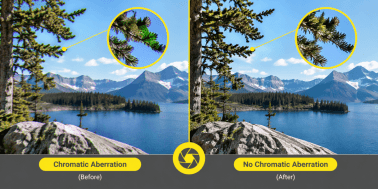
How to Avoid Chromatic Aberration in Your Photos
To avoid chromatic aberration in your photos, use a narrower aperture, choose a lens with good chromatic aberration correction, and avoid harsh high-contrast edges when possible. Shooting in RAW gives you more editing flexibility, while tools such as Lightroom can remove color fringing and correct purple or green edges.
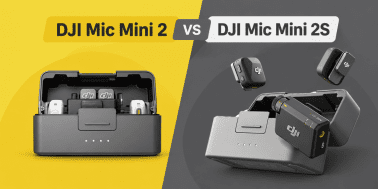
DJI Mic Mini 2 vs DJI Mic Mini 2S – Which One Should You Buy?
DJI Mic Mini 2 and DJI Mic Mini 2S share the same tiny transmitter, yet the 2S adds internal recording, 32-bit float audio, AI noise cancellation, and support for four transmitters. The right pick depends on how much backup protection, noise control, and multi-person recording a creator truly needs.
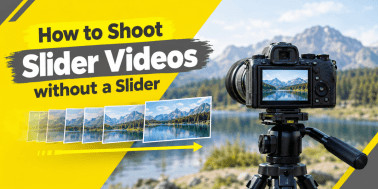
How to Shoot Slider Videos without a Slider
Shooting slider videos without a slider is possible using household items, tripods, gimbals, handheld techniques, and editing software. Learn how to create smooth camera movement, add depth through parallax, avoid shaky footage, and achieve cinematic results on a budget with practical tips for filmmakers in Pakistan.
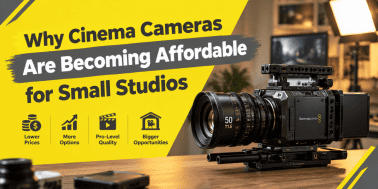
Why Cinema Cameras Are Becoming Affordable for Small Studios
Cinema cameras are becoming affordable for small studios because mirrorless video technology, compact camera designs, stronger competition, and simpler manufacturing have brought cinema-grade features to lower price levels. Small teams can now access wide dynamic range, 4K recording, and RAW options on selected models without the cost of traditional high-end cinema systems. Smart buying still depends on total setup costs, workflow needs, and realistic project goals.

Why Do Wireless Mics Disconnect? Dropouts & Fixes
Wireless microphones disconnect mainly because of radio interference, blocked signal paths, weak batteries, and incorrect device settings, rather than faulty hardware. Identifying which layer of the setup is failing makes dropouts much easier to fix and prevent. A routine of careful positioning, clean frequency selection, full power, and pre-recording tests keeps audio stable.

Why Does 360 Footage Look Shaky and How to Stabilize It?
Shaky 360 footage usually comes from vibration, loose mounting, slow exposure in dim light, or outdated or disabled stabilization. Smoother results depend on steady shooting habits, the right camera settings, and editing tools that use the motion data recorded during capture.
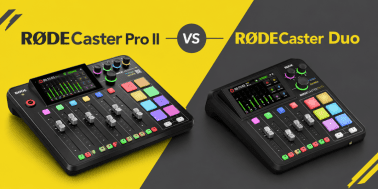
RØDECaster Pro II vs RØDECaster Duo – Which Podcast Mixer to Buy
The RØDECaster Pro II suits multi-person productions better, with more physical inputs, faders, SMART pads, and headphone outputs. The RØDECaster Duo is a more compact option for two-microphone setups, providing many of the same core audio and production features with a simpler footprint.

10 Things to Check Before Buying a New Phone
Factor Why It Matters What to Check Software Version Determines available features Latest stable OS version Update Policy Keeps device