
Blog
10 Common Lighting Mistakes and How to Fix Them

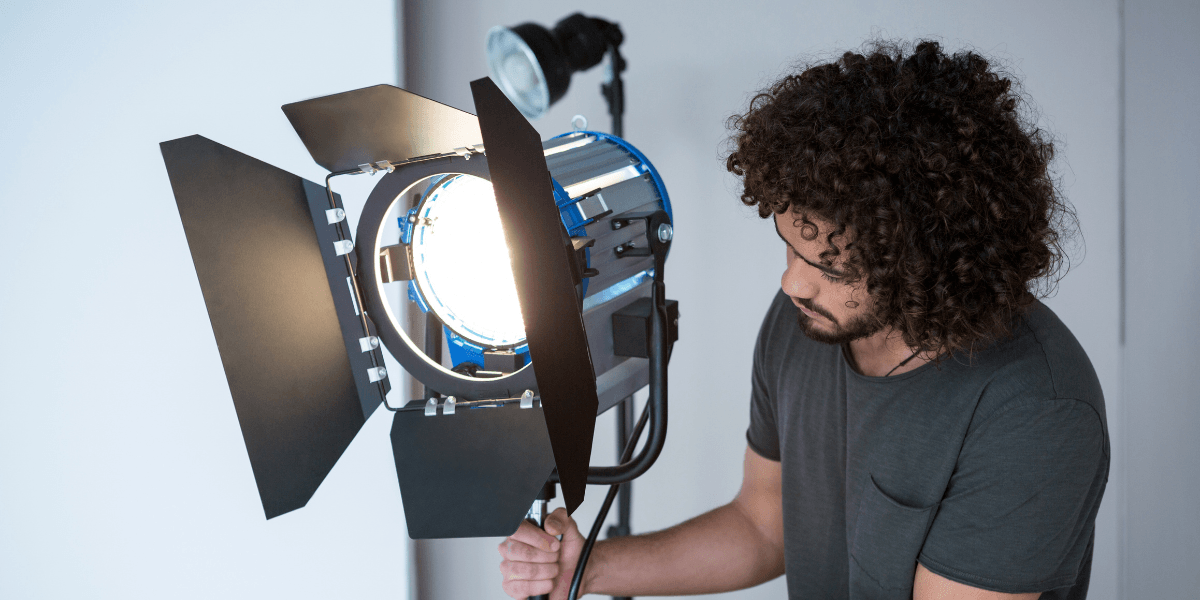
Lighting is the backbone of quality photography and videography, yet it’s often overlooked by beginners and even some experienced creators. Getting your lighting right can be the difference between a professional-looking image and one that appears amateur and dull.
If you’ve ever wondered why your content doesn’t look as polished as you’d hoped, the problem likely stems from fundamental lighting mistakes. Let’s explore the most common errors and how you can fix them to upgrade your creative work.
Understanding the Impact of Lighting on Your Content
Think about the last time you watched a video that looked dim, unclear, or uncomfortable to view. Poor lighting doesn’t just affect the visual appeal of your work; it directly impacts how your audience perceives your professionalism and credibility. Proper lighting is essential for any content, whether social media, YouTube, or photos.
The challenge is that many content creators don’t understand where they’re going wrong. They invest in cameras and lenses but neglect the fundamental importance of illumination. This knowledge gap leads to countless mistakes that could easily be avoided with proper guidance and the right approach.
Common Lighting Mistakes in Photography
Photography depends greatly on how light interacts with your subject and surroundings. The phrase “lighting mistakes in photography” covers various issues that can spoil even a well-planned shot. Let’s analyze the most common problems you might encounter.
Mistake 1: Relying Solely on Natural Light Without Control
Many photographers depend entirely on natural light, which is unpredictable. Sunlight changes throughout the day, and you can’t control it when you need specific results. Without supplementary lighting or reflectors, you’ll struggle to fill shadows and create the balanced exposure your images need.
Mistake 2: Placing Your Light Source Behind Your Subject
Backlighting without proper fill light creates silhouettes and dark, unflattering images. Your subject’s face becomes obscured, and details are lost. Always ensure you have adequate front or side lighting to properly illuminate your subject’s features.
Mistake 3: Using Mismatched Color Temperatures
Using both warm and cool lights in a scene looks unprofessional. If your main light is warm (like tungsten) and your fill light is cool (like LED daylight), your subject will have unnatural skin tones and the image will look disjointed.
Why Your Videos Look Dark and How to Improve Them
If you’ve been wondering, “why do my videos look dark,” you’re not alone. This is one of the most common complaints among content creators, and there are several reasons why it happens. Understanding these causes is the first step toward creating better-lit video content.
Mistake 4: Using Insufficient Light Levels
Many creators underestimate how much light they need for video. Your camera’s sensor requires enough light to capture detail, color, and clarity. Insufficient light causes your camera to boost ISO, which adds grain and lowers image quality.
The solution is straightforward: invest in proper lighting equipment that provides enough illumination for your space. This doesn’t necessarily mean spending a fortune; even budget-friendly options can make a dramatic difference.
Mistake 5: Ignoring the Best Lighting Angles for Video
The angle at which you position your lights matters tremendously. Flat, front-facing light creates a two-dimensional, unflattering look. The best lighting angles for video typically involve a three-point lighting setup: key light, fill light, and back light. This creates depth, dimension, and visual interest.
Your key light should come from the front left or front right at approximately 45 degrees. The fill light softens shadows on the opposite side, while a back light separates your subject from the background.
Mistake 6: Neglecting to Account for Camera Settings
Some creators blame their lighting when the real culprit is their camera settings. If your shutter speed is too fast or your f-stop is too closed, you’ll limit how much light reaches your sensor, resulting in dark footage. Always adjust your exposure settings in conjunction with your lighting setup.
How to Fix Lighting Problems Effectively
Understanding what goes wrong is important, but knowing how to fix lighting problems is what actually improves your work. This is where practical solutions come into play.
Invest in Quality Equipment
The right tools make a significant difference. When searching for equipment that fits your budget, consider options like a softbox lighting kit price in Pakistan from reputable vendors like Golden Camera, which can provide excellent value without breaking the bank. Quality softboxes diffuse light beautifully, creating soft, flattering illumination for your subjects.
Quality equipment doesn’t need to be expensive, but it should be reliable and effective for your specific needs. Take time to research different options and read reviews from other creators in your region.
Master the Three-Point Lighting System
This is the standard for professional lighting. Place your key light at about 45 degrees to add dimension. Place your fill light on the opposite side at a lower intensity to soften shadows. Finally, position your back light behind your subject to create separation from the background.
This setup works for both photography and videography and can be adapted to various spaces and budgets.
Use Diffusion and Reflection
You don’t always need more light; sometimes you just need to shape the light you have. Diffusers soften harsh light, while reflectors bounce light to fill shadows. These simple tools are incredibly effective for fixing lighting problems without additional power sources.
Best Practices for Creating Properly Lit Content
Mastering the best lighting angles for video and photography requires practice and understanding. Here are key principles to implement immediately:
- Avoid harsh shadows by using diffusion or placing lights further from your subject
- Check your white balance before recording or shooting
- Use your camera’s histogram to ensure proper exposure
- Test your setup before committing to full production
- Keep lighting consistent if you’re shooting multiple scenes
Taking time to set up your lights properly before production begins saves you countless hours of frustration and reshooting.
Setting Up Your Professional Lighting Space
Creating a dedicated lighting setup requires thoughtful planning. A studio lighting stand from us provides sturdy, adjustable support for your lights, allowing you to position them precisely where you need them. Proper stands eliminate the need for makeshift solutions that can be unstable or inadequate.
When establishing your workspace, consider your ceiling height, wall colors, and available space. These factors influence how light behaves and what equipment will work best. A white wall reflects light beautifully, while darker walls absorb it.
Final Thoughts
Mastering lighting is a journey, not a destination. Every mistake you encounter is an opportunity to learn and improve. If you’re a photographer, videographer, or content creator, addressing these common issues will significantly upgrade your work. The investment in understanding lighting pays dividends in every project you produce.
If you’re serious about improving your setup, exploring the best price on a lighting studio in Pakistan at Golden Camera will help you find a complete solution that meets your needs and budget. With the right equipment, knowledge, and practice, you’ll create content that truly stands out.