
Blog
Crop Sensor vs Full Frame | A Beginner’s Guide

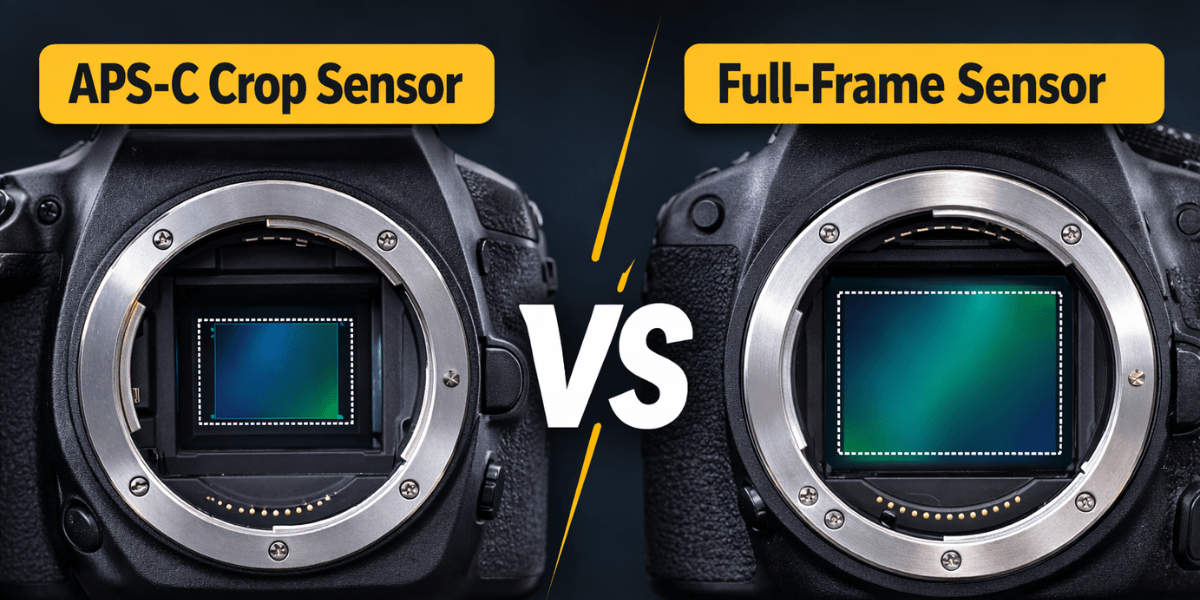
Choosing a camera often begins with one big question about sensor size. Many new photographers hear people talk about crop sensors and full-frame sensors, yet the difference can feel confusing at first. Sensor size affects image quality, field of view, depth of field, and overall shooting experience.
Understanding crop sensor vs full-frame cameras helps beginners pick gear that matches their goals and budget. A photographer who knows how sensors work can make smarter buying decisions and produce better images.
This beginner-friendly guide explains the key differences, strengths, and practical use cases of both sensor types.
What is a Camera Sensor?
A camera sensor is part of a digital camera that gathers light and converts it into an image. Basically, it works like the film used in old cameras.
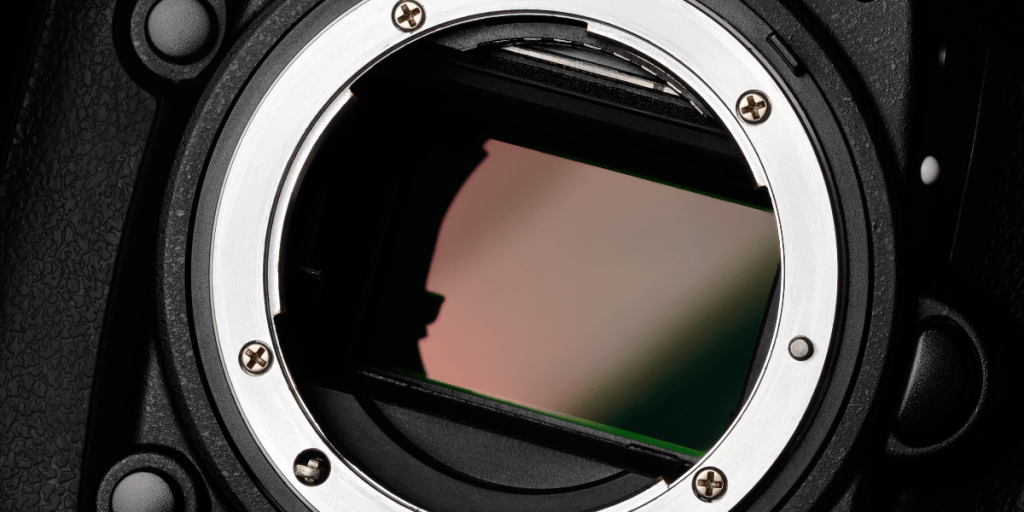
There are two popular sensor categories used in modern cameras:
- Crop sensors (APS-C or similar)
- Full frame sensors
The debate between crop-sensor vs full-frame cameras mainly revolves around sensor size. A full-frame sensor measures roughly 36mm × 24mm, similar to traditional 35mm film. Crop sensors are smaller, usually around 23mm × 15mm. The smaller sensor size changes how lenses behave and how images appear.
Sensor Size Comparison
Below is a simple comparison chart showing typical sensor sizes.
| Sensor Type | Approx. Size (mm) | Crop Factor |
| Full Frame | 36 × 24 | 1.0x |
| APS-C Crop Sensor | 23 × 15 | 1.5x or 1.6x |
| Micro Four Thirds | 17 × 13 | 2.0x |
These differences play a major role in the DSLR crop vs full-frame discussion.
Understanding the Basics of Camera Sensor Choices
Many beginners feel confused by the technical terms used in discussions about photography gear. Sensor size often sounds complicated, yet the real-world impact becomes clear during everyday shooting. A crop sensor camera usually costs less, weighs less, and still delivers strong image quality. Full-frame cameras usually deliver better low-light performance and more pronounced background blur.
These practical differences help decide the best camera sensor for beginners based on their shooting style.
Crop Sensor Cameras Explained
Crop sensor cameras are extremely popular among beginners and hobby photographers. Many well-known cameras, such as the Canon EOS R7 and Nikon D7500, use APS-C sensors.
Benefits of Crop Sensor Cameras
Learn about the benefits of crop sensor cameras.
1. Lower Price
Crop sensor cameras typically have a lower price point compared to full-frame models, making them an appealing choice for beginners and amateur photographers looking to enter the world of photography. These cameras offer a balance of affordability and quality.
2. Extra Reach For Wildlife And Sports
The crop factor effectively magnifies a lens’s field of view. A 200mm lens on APS-C is roughly equivalent to 300mm on full frame. Wildlife and sports photographers appreciate this extra reach.
3. Smaller And Lighter Cameras
Many crop sensor cameras are compact and lightweight, making them ideal for travel photographers who prioritize portability, ease of handling, and convenience without sacrificing image quality during their journeys.
4. Beginner-Friendly Systems
For beginners seeking the best camera sensor, crop sensors offer reliable performance, affordability, and versatility, making them an excellent choice for photography enthusiasts just starting out.
If you are a beginner, checking prices for DSLR cameras in Pakistan before purchasing your first kit, crop-sensor models dominate this category. Golden Camera offers the most competitive rates on crop-sensor models. Explore our selection from the leading global brands and upgrade your gear today.
Full Frame Cameras Explained
Full-frame cameras feature larger sensors that are comparable in size to traditional 35mm film, enabling them to capture more light and detail. Examples include the Sony A7 IV and the Canon EOS R6. This increased sensor size enhances image quality, low-light performance, and depth-of-field effects.
Key Strengths of Full-Frame Cameras
Full-frame cameras offer the best advantages that give you an edge when you are shooting:
1. Better Low-Light Performance
Larger pixels gather more light. Images taken at high ISO settings usually show less noise.
2. Stronger Background Blur
Portrait photographers love the shallow depth of field produced by full-frame sensors.
3. Wider Field Of View
Wide-angle lenses perform naturally on full-frame cameras. A 24mm lens stays truly wide.
4. Professional Level Performance
Many professionals rely on full-frame cameras for commercial work, weddings, and studio photography.
These points highlight the advantages of full-frame cameras available in Pakistan, particularly for photographers specializing in events, fashion, and commercial work.
DSLR Crop vs Full Frame: Real World Differences
The debate over DSLR crop vs full-frame often appears in online forums and photography communities. Understanding real-world differences helps beginners avoid confusion.
1. Image Quality
Full-frame sensors usually deliver slightly better dynamic range and low-light performance. However, modern crop sensors produce impressive results that satisfy most beginners.
2. Lens Behavior
A crop sensor changes the lens’s field of view due to the crop factor. For example:
- 50mm lens on full frame = normal field of view
- 50mm lens on APS-C = tighter view, similar to 75mm
3. Depth of Field
Full-frame cameras create stronger background blur at similar settings. Portrait photographers appreciate this effect.
4. Cost Differences
Full-frame cameras usually cost significantly more. Lenses designed for full-frame sensors also carry higher prices.
Because of these factors, many beginners researching DSLR crop vs full-frame begin with APS-C cameras.
Practical Uses of a Full-Frame Camera
Photographers often shoot weddings, cultural events, and commercial projects, which can involve challenging lighting conditions. This makes the advantages of full-frame cameras particularly useful.
1. Wedding Photography
Wedding venues frequently use dim lighting. Full-frame sensors perform better at high ISO settings, producing cleaner images.
2. Portrait Photography
Portrait studios benefit due to strong background blur and rich color depth.
3. Professional Work
Clients often expect high-resolution images. Full-frame cameras usually offer higher megapixel options and improved dynamic range.
Despite these benefits, beginners should still consider budget and experience level before investing in full-frame gear.
Practical Uses of a Crop-Sensor Camera
Crop-sensor (APS-C) cameras are versatile and ideal for beginners or photographers looking for lightweight, cost-effective options.
1. Travel and Street Photography
The smaller size and lighter weight make crop-sensor cameras easier to carry for long shoots or urban exploration.
2. Wildlife and Sports Photography
The crop factor effectively extends telephoto reach, allowing photographers to get closer to distant subjects without investing in ultra-long lenses.
3. Beginner Learning and Versatility
APS-C cameras are often included in starter kits, helping beginners practice composition, focal lengths, and exposure without the high cost of full-frame equipment.
Crop-sensor cameras provide a practical balance between affordability, portability, and image quality, making them a strong choice for new photographers.
Which Sensor Should Beginners Choose?
Selecting the best camera sensor for beginners depends on several practical factors.
1. Budget
Crop sensor cameras offer excellent performance at a lower cost.
2. Learning Curve
Beginners usually learn composition, lighting, and editing before needing high-end sensors.
3. Photography Style
Wildlife and sports photographers may prefer crop sensors for the crop-factor advantage. Portrait photographers often appreciate full-frame sensors.
Both options work well for beginners. Skill development matters more than sensor size during early stages.
FAQs
1. What is the difference between crop sensor and full-frame cameras?
The main difference lies in sensor size. Full frame sensors measure about 36mm × 24mm, while crop sensors are smaller. This size difference changes the field of view, depth of field, and low-light performance. Crop sensors create a tighter frame because of the crop factor. Full-frame cameras capture more light, which often improves dynamic range and noise performance in high-ISO shooting conditions.
2. Which sensor is better for low-light conditions?
Full-frame sensors usually perform better in low light because their larger pixels collect more light. This produces cleaner images with less noise at high ISO levels. Crop sensor cameras still perform well in modern models, yet full-frame cameras typically produce smoother tonal transitions and better detail in dim environments, such as indoor events or nighttime photography.
3. Do full-frame cameras have better lens options?
Full-frame camera systems usually provide a wider range of professional lenses, especially high-end portrait and wide-angle lenses. Major brands design many premium lenses specifically for full-frame cameras. Crop sensor cameras still support many excellent lenses, including affordable options. Beginners often start with crop sensor lenses and later upgrade if needed.
4. Is a crop sensor camera enough for beginner photographers?
Yes, crop sensor cameras are more than capable for beginners. They deliver strong image quality, reliable autofocus systems, and good performance for travel, portraits, and everyday photography. Many professionals even use crop sensor cameras for wildlife and sports photography. Beginners often gain more value from investing in good lenses and learning techniques than from focusing solely on sensor size.
5. How does sensor size affect depth of field?
Sensor size influences how much background blur appears in a photo. Full-frame sensors produce shallower depth of field at similar focal lengths and aperture settings. This means the subject stands out more clearly against a blurred background. Crop sensors create a deeper depth of field under similar conditions, which can actually help beginners maintain focus across more of the image.
Final Thoughts
Sensor size plays an important role in photography, yet it should not overwhelm beginners. The debate between crop-sensor and full-frame cameras often sounds dramatic, though both options can produce excellent images. Crop sensors offer affordability, portability, and extra reach. Full-frame cameras, in contrast, provide stronger low-light performance, wider angles, and greater background blur.
For beginners, learning composition, lighting, and storytelling matters more than sensor size. A good crop sensor camera paired with quality lenses can deliver professional results.
If you are comparing models, checking specifications, or searching for competitive prices on cameras in Pakistan, Golden Camera offers trusted products to help photographers choose the right equipment without overspending.