
Blog
How Does a Wireless Microphone Work for Mobile Recording?

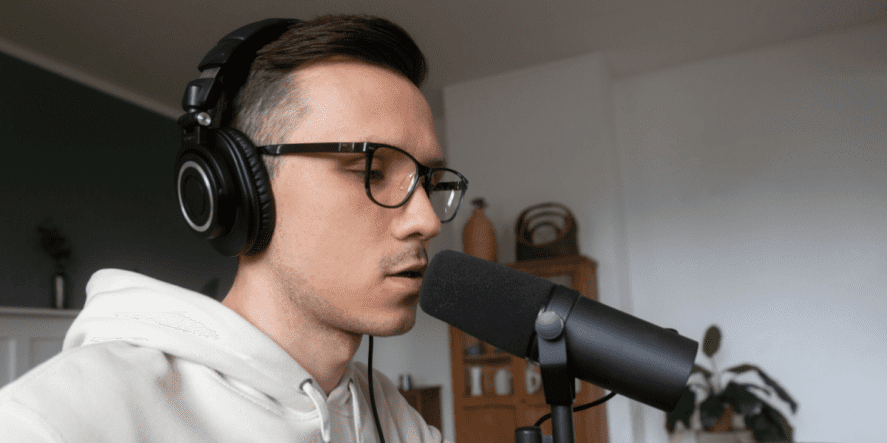
Wireless microphones have transformed how people worldwide capture audio for videos, vlogs, interviews, and live streams. If you’re a content creator filming on the streets, a student recording lectures, or a professional conducting interviews, a wireless microphone for mobile recording offers cable-free recording while delivering clear audio directly to your smartphone.
Understanding the Basics of Wireless Microphone Technology
A wireless microphone system fundamentally transforms audio recording by eliminating the clutter of physical cables, transmitting audio signals over radio waves. This innovative technology is particularly advantageous for mobile recording situations, where the ability to move freely and the convenience of a cable-free environment are paramount. Wireless microphones offer the flexibility to capture high-quality sound on stage, in busy settings, or during interviews without the limitations of wired setups.
The system consists of two main parts: the transmitter and the receiver. The transmitter captures sound and wirelessly transmits it, while the receiver receives the signal and feeds it into your device. Modern smartphone systems often use the 2.4 GHz band, which provides stable transmission with minimal interference in everyday environments.
This technology allows you to move freely, up to 50-100 meters in open spaces, without worrying about tangled wires or restricted movement. For users in busy markets or during outdoor shoots, this means cleaner frames and more natural-sounding recordings.
How Does a Wireless Microphone Work?
Let’s break down the process clearly.
First, sound waves from your voice reach the microphone capsule, usually a small condenser type built into the transmitter. This capsule converts the vibrations into electrical audio signals.
Next, the transmitter processes these signals. It modulates them onto a radio carrier wave using digital technology (common in today’s affordable systems). The signal is then broadcast through a tiny antenna.
The receiver, connected directly to your smartphone via USB-C, Lightning, or a compatible adapter, captures this radio signal. It demodulates the wave back into an audio signal, which your phone’s recording app can use in real time.
Many systems include features such as noise reduction to handle background noise common in cities, including traffic and crowds. The entire process happens in milliseconds, ensuring audio stays in sync with your video.
Wireless mic technology explained in this way shows why these devices have become essential for mobile creators; they combine simplicity with professional results.
Key Components in a Mobile Wireless Microphone System
A complete mobile wireless microphone system includes:
- Transmitter(s): Often clip-on (lavalier-style) with built-in mics. They are lightweight, battery-powered, and clip easily to clothing.
- Receiver: A small plug-in unit that connects straight to your phone’s port.
- Charging Case: Many kits include portable cases that recharge devices on the go.
- Additional Features: Noise cancellation, LED indicators for connection status, and long battery life (often 6-9 hours per charge).
These components work together seamlessly for plug-and-play use. You simply pair the devices (often automatically), connect the receiver, and start recording.
Setting Up a Smartphone Wireless Microphone Setup
Setting up is straightforward, making it accessible even for beginners.
- Start by charging the transmitter and receiver fully. Turn them on; they usually pair instantly in 2.4GHz systems.
- Attach the receiver to your smartphone’s charging port. On Android devices, USB-C is standard; for iPhones, Lightning or adapters are widely used.
- Clip the transmitter to your shirt collar, about 6-8 inches from your mouth for optimal clarity. Test the levels in your recording app to avoid distortion.
That’s it, your smartphone wireless microphone setup is ready. No apps or complex pairing codes are required in most cases, though some advanced models offer companion apps for additional controls, such as gain adjustment.
Popular Options and Recommendations
Many reliable brands offer excellent performance at affordable prices. For instance, models like the BOYA MINI 12 and BOYA V2 stand out for their compact design and clear audio. If you’re looking for a dependable option, check out the Golden Camera store. We stock quality gear suited for creators. These systems deliver significant value, with features such as built-in noise reduction and long-range transmission.
Advantages of Mobile Recording
Wireless microphones solve common challenges. Built-in phone mics often pick up wind or echo in open spaces, but external wireless options deliver focused, professional sound.
They support hands-free operation, perfect for vlogging while walking or interviewing people. In educational settings or small business promotions, they ensure your voice comes through clearly despite ambient noise.
Battery life and portability make them ideal for long shoots without constant recharging.
Things to Consider When Choosing
Look for systems with a good range, low latency, and compatibility with your phone. Enable noise reduction when recording in noisy environments. Also, consider battery runtime and build quality for daily use.
FAQs
1. What is the typical range of a wireless microphone for mobile recording?
Most systems offer 50 to 100 meters in open areas, though walls or interference can reduce this. 2.4GHz models perform reliably in everyday settings.
2. Do wireless microphones work well in noisy environments like Pakistani streets?
Yes, many include noise-reduction features that filter out background noise, allowing your voice to be heard more clearly.
3. How long does the battery last on these systems?
Transmitters and receivers typically provide 6-9 hours of continuous use, with charging cases significantly extending total runtime.
4. Are they compatible with both Android and iPhone devices?
Most modern kits include adapters or dual connectors (USB-C and Lightning) for broad compatibility across popular smartphones in Pakistan.
Final Thoughts
Wireless microphones make high-quality mobile recording accessible and hassle-free. By understanding how a wireless microphone works, you can confidently choose a system that fits your needs and upgrades your content.
If it’s for personal projects or professional work, investing in one opens up new possibilities. A good wireless microphone paired with your smartphone can genuinely transform your recordings. Explore options onour website today!