

Blog
Nikon Z Travel Lenses: 24-200mm vs 28-400mm

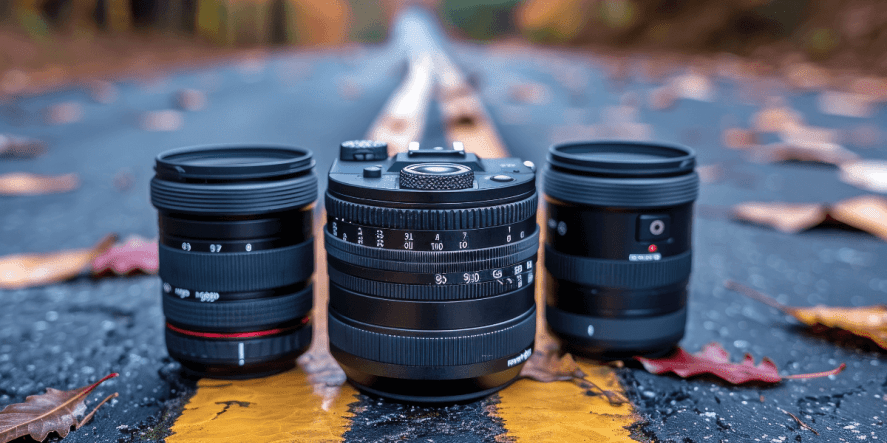
Standing at the Himalayas in northern Pakistan, camera ready and heart pounding as sunlight hits snowy peaks. You want to photograph the vast valley, then spot a tiny ibex on a distant ridge. Changing lenses is impossible; every moment counts, and your backpack is heavy. That’s why Nikon Z superzoom lenses are popular among travelers who hate missing out on photos.
Let’s compare Nikon Z 24-200mm and 28-400mm lenses, both versatile for any scene, from busy bazaars to mountain trails, and find out which one could become your perfect travel partner.
1. Nikon Z 24-200mm Lens
The Nikon Z 24-200mm f/4-6.3 VR is a go-to choice for many travelers who want a single lens to handle a variety of scenes. It covers a broad focal range, from a wide 24mm, which is great for capturing expansive landscapes, to 200mm for zooming in on details like distant architecture or people.

Features and Build Quality
This lens features 19 elements arranged in 15 groups, including specialized elements to reduce distortion and improve clarity. It features vibration reduction to help keep your shots steady, even when shooting handheld on uneven terrain.
The build blends metal and plastic with weather-resistant elements, so it can handle a bit of dust or light rain, making it handy for those unpredictable outings. At just approx. 570 grams, it’s lightweight, making it easy to carry all day without fatigue. The zoom ring is smooth, and there’s a lock to prevent it from extending accidentally in your bag.
Performance in Travel Scenarios
When you’re out exploring, this lens shines for its quick adaptability. The autofocus is fast and quiet, ideal for video clips of your journeys too. Image quality holds up well across the range, with sharp centers and manageable edges, though you might notice some softness in corners at wider apertures. In low light, the variable aperture means you’ll sometimes need to adjust your settings, but the stabilization helps compensate. Many users find it perfect for family trips or hikes where packing light is key.
If you’re curious about the Nikon Z 24-200mm review, it consistently gets praise for balancing quality and convenience. Golden Camera offers the best price on the NIKKOR Z 24-200mm in Pakistan, making this versatile all-in-one zoom more accessible for photographers.
2. Nikon Z 28-400mm Lens
Shifting our focus to the Nikon Z 28-400mm f/4-8 VR, this one takes the zoom game further. It starts at 28mm for solid wide-angle shots and extends to 400mm, letting you capture distant subjects like wildlife or mountain peaks without getting too close.
Key Features and Build Quality
With 21 elements in 15 groups, including aspherical and ED glass, it aims to deliver clear images despite the extensive range. Vibration reduction is effective, offering up to several stops of stability, which is crucial for those longer focal lengths.
The lens is weather-resistant against dust and drips, feels sturdy, though it weighs approx. 725 grams, and is still manageable for most travelers. It extends when zoomed, but a lock keeps it compact when not in use. The larger filter size might mean investing in new accessories if you’re upgrading.
Performance in Travel Scenarios
For adventurers who love spotting distant details, this lens opens up new possibilities. Autofocus is accurate and reliable for travel and wildlife at a relaxed pace, though it slows slightly at the longest focal lengths. Sharpness is strong up to around 300mm and remains acceptable at 400mm when slightly stopped down.
Bokeh can appear busy due to the slow aperture and superzoom optical design, though this is rarely an issue for travel photography. Think about using it on a sunny day trip where you need that extra reach; it’s designed to minimize the need for multiple lenses in your pack.
The Nikon Z 28-400mm review highlights its game-changing reach for versatile shooting. And if you’re ready to invest, take a look at the incredible priceon the NIKKOR Z 28-400mm in Pakistan at Golden Camera to get started.
Direct Comparison: Nikon Z 24-200mm vs 28-400mm
Now, let’s put these two head-to-head to see how they fare against each other. Both are superzooms best for the Nikon Z system, but their differences could sway your choice based on what you shoot most.
Focal Range and Versatility
The 24-200mm gives you that extra wide angle at 24mm, which is invaluable for tight spaces or sweeping views. On the flip side, the 28-400mm sacrifices a bit at the wide end but rewards you with double the telephoto reach. If your travels involve many close-up scenes, the former might suit you better. But for spotting faraway elements, the latter pulls ahead.
Aperture and Low-Light Handling
Aperture is where you’ll notice variations. The 24-200mm starts at f/4 and goes to f/6.3, offering slightly better light-gathering at the long end than the 28-400mm’s f/8. This means the 24-200mm might give you cleaner shots in dimmer conditions without cranking up the ISO as much. However, both benefit from strong stabilization to keep things sharp.
Size, Weight, and Portability
Portability is crucial for travelers, right? The 24-200mm is lighter and more compact when retracted, making it easier to slip into a daypack. The 28-400mm is a tad bulkier and heavier, but for the added range, many find it worth the trade-off. Both have solid builds that stand up to on-the-go use.
Image Quality and Sharpness
In terms of sharpness, both lenses perform admirably for their class. The 24-200mm often edges out in corner sharpness at mid-ranges, while the 28-400mm impresses at its extremes. Distortions are well-controlled with in-camera corrections, and colors render naturally on both. Neither is pro-grade like fixed-aperture lenses, but for travel snaps, they’re more than capable.
Which Nikon Z Lens is Better for Travel?
So, which Nikon Z lens is better for travel? It really depends on your style. If you prioritize a wider view and lighter load for everyday explorations, go with the 24-200mm. For those who need to zoom in on distant subjects during wildlife spotting or scenic drives, the 28-400mm might be the winner. Both reduce the need for extra gear, letting you focus on enjoying your trips. Consider what you photograph most, landscapes up close or details from afar?
Final Thoughts
The Nikon Z 24-200mm vs 28-400mm debate comes down to your specific travel needs, wider coverage, or longer reach. Ideal for diverse scenery, if it’s for trekking, exploring cities, or sunset, the right lens turns moments into great photos. Both lenses empower you to capture memorable moments with less hassle, proving that great gear can enhance your experiences without weighing you down. Whichever you choose, it’ll serve you well on your journeys across diverse landscapes.