
Blog
Sigma vs. Tamron vs. Canon: Which Zoom Lens Wins?

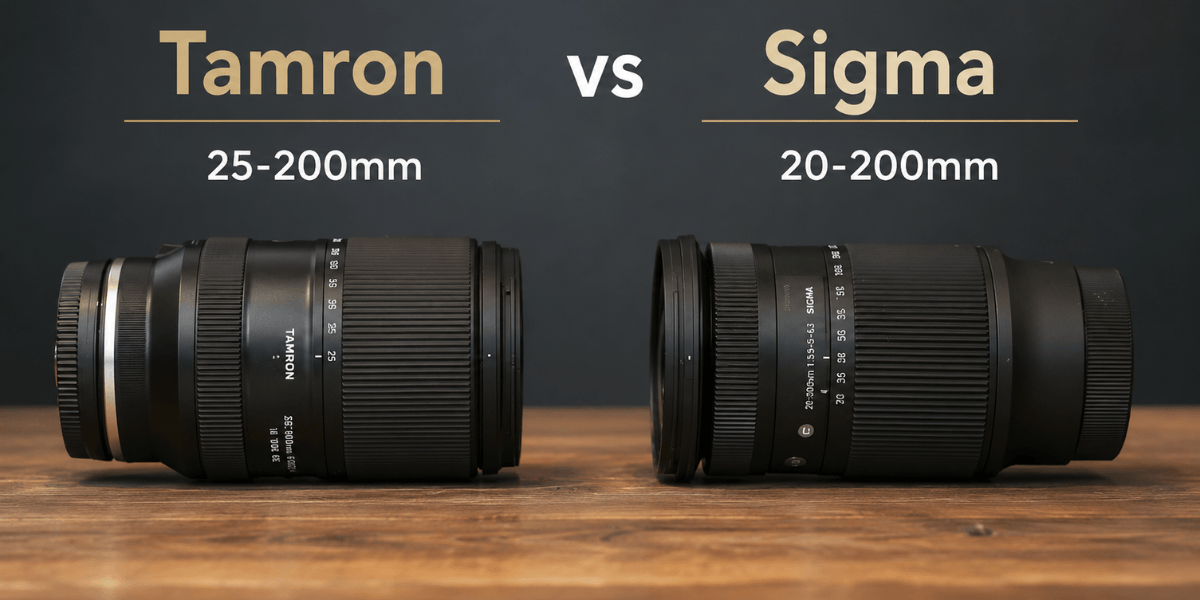
A good zoom lens can completely change the way a camera performs. Sharpness, autofocus speed, low-light performance, color rendering, and handling all depend heavily on the lens attached to the camera body. That is why photographers often spend more time comparing lenses than cameras themselves.
The debate around Sigma vs. Tamron vs. Canon lens choices continues because all three brands now produce impressive zoom lenses across multiple price ranges. This guide breaks down the details on performance, value, and practical points to help you decide what fits your needs.
Getting to Know Zoom Lenses in Photography
Zoom lenses give photographers flexibility by covering multiple focal lengths in one lens. Instead of carrying separate prime lenses, one zoom lens can handle portraits, landscapes, events, and travel photography.
According to the Camera & Imaging Products Association’s shipment reports, interchangeable lens shipments continue to reach millions of units globally each year. Zoom lenses remain highly popular among DSLR and mirrorless photographers because of their versatility.
Modern zoom lenses have improved significantly in sharpness and autofocus accuracy. Earlier zoom designs often struggled against prime lenses, but recent optical technology has narrowed that gap considerably.
Canon maintains one of the strongest native lens ecosystems for Canon camera users. Sigma focuses heavily on high-resolution optics through its Art and Sports series. Tamron is known for practical zoom ranges and lighter designs with strong value.
Sigma vs. Tamron vs. Canon Lens: A Brief Comparison
No single brand dominates every category. Some lenses beat competitors in sharpness. Others win in portability or autofocus performance. Continue reading to see how these brands compare in real photography situations.
1. Build Quality and Lens Design
Canon lenses, especially the L series, are famous for durable construction and weather sealing. Many professional sports and wedding photographers trust Canon lenses for heavy daily usage.
Sigma lenses usually feel premium and solid. According to the official Sigma site, the Art series, in particular, gained attention for its metal-heavy construction and refined finish. Some photographers love this professional feel, though the added weight becomes noticeable during long shoots.
Tamron takes a different route. Many Tamron zooms use lighter materials, making them easier to travel with and use for handheld photography.
Photographers who carry gear all day often prefer Tamron for comfort. Studio and commercial shooters sometimes lean toward Sigma or Canon because of their heavier professional feel.
2. Autofocus Performance in Real Photography
Autofocus performance matters heavily for sports, wildlife, weddings, and video work. Canon lenses generally lead in autofocus consistency because Canon designs both the cameras and the lenses.
According to Canon’s official technology interview on its 4K broadcast zoom lens development, the company focused heavily on improving autofocus precision, color reproduction, resolution, and optical accuracy while keeping lenses practical for professional use.
Modern Sigma lenses have improved dramatically with fast HLA motors and refined tracking performance. Tamron autofocus has also improved significantly in newer mirrorless lenses.
For sports and wildlife photography, Canon still holds a slight edge overall. Sigma comes very close in many premium models. Tamron performs strongly for portraits, travel, and general photography.
3. Sharpness and Optical Quality
Image quality remains one of Sigma’s biggest strengths. Sigma Art lenses became famous for challenging expensive native lenses at lower prices.
Canon lenses usually deliver more natural color science and smoother correction profiles directly inside Canon cameras. Many photographers love Canon’s skin tones and balanced rendering. Tamron lenses sometimes show slightly softer edges than Sigma or Canon premium options, but their overall quality still easily satisfies most photographers.
For portraits and commercial work, Sigma often becomes the favorite. For reliable consistency and balanced rendering, Canon remains highly respected.
Golden Camera helps photographers choose original zoom lenses built for strong optical performance and creative flexibility. Check the latest prices of Tamron lenses in Pakistan and compare models suitable for weddings, wildlife photography, portraits, travel content, and professional videography.
4. Price and Overall Value
Pricing changes the entire conversation around the Tamron vs. Sigma vs. Canon lens debate. Canon native lenses often cost more, especially professional RF and L series models. The higher price comes with strong autofocus integration, weather sealing, and brand reliability.
Sigma usually offers comparable image quality at lower prices. That value made Sigma extremely popular among photographers seeking professional results without overspending.
Tamron sits in an even more budget-friendly category while still offering impressive quality. Some Tamron zooms deliver focal ranges unavailable in competing lenses.
5. Tamron vs. Sigma vs. Canon Lens: Side-by-Side Look
Many photographers read a Canon vs. Tamron vs. Sigma lens review before choosing a zoom lens for portraits, travel photography, sports coverage, or professional video production. Here is a clear table for quick reference.
| Feature | Canon | Sigma | Tamron |
| Autofocus Reliability | Excellent | Very Good | Good to Very Good |
| Sharpness | Excellent | Excellent | Very Good to Excellent |
| Build Quality | Premium | Premium Heavy Build | Lightweight Durable Build |
| Price | Highest | Mid to High | Budget Friendly |
| Lens Variety | Massive Native Lineup | Strong Art and Sports Lineup | Practical Zoom Focus |
| Weight | Moderate to Heavy | Usually Heavy | Usually Lighter |
| Stabilization | Excellent in Many Models | Present in Select Models | Strong VC Systems |
| Best For | Professionals | Sharpness Lovers | Travelers and Budget Users |
Which Brand Works Best for Different Photography Styles?
1. Canon for Sports and Weddings
Canon lenses remain highly trusted for fast-paced photography jobs. Their autofocus systems track movement accurately, especially with Canon mirrorless bodies. Wedding photographers also value Canon reliability because missed focus during important moments can become costly.
Upgrade camera performance with premium Canon zoom lenses available at Golden Camera. Explore the updated prices of Canon lenses in Pakistan and find the right lens for creative photography and professional content production.
2. Sigma for Portraits and Commercial Photography
Sigma Art lenses became famous among portrait photographers for their sharpness and beautiful background blur. Commercial photographers also appreciate Sigma optics for studio work and detailed product photography.
The ongoing debate over Sigma vs. Canon lens quality grew much closer after Sigma’s Art lineup entered the market.
3. Tamron for Travel and Everyday Photography
Tamron excels in portability and convenience. Travel photographers often prefer Tamron because lighter gear is easier to carry on long days outdoors. Tamron also offers unusual zoom ranges that reduce the need for lens swapping.
Many content creators now choose Tamron for hybrid shooting because of lightweight designs and strong stabilization systems.
Finding the Best Zoom Lens for DSLR without Overspending
Choosing the best zoom lens depends more on shooting style than brand loyalty. Here are some practical recommendations:
- Canon 24-70mm lenses work well for weddings, journalism, and professional event work.
- Sigma Art zooms fit portrait, studio, and commercial photography perfectly.
- Tamron superzooms help travel photographers cover wide focal ranges with a single lens.
- Wildlife photographers often prefer Canon or Sigma Sports lenses because of autofocus speed.
- Beginner DSLR users may find Tamron lenses more affordable without sacrificing much in terms of quality.
- Video creators sometimes prefer Tamron lenses for their lighter handling during handheld shooting.
Golden Camera offers original zoom lenses trusted by photographers and videographers across Pakistan. Check the latest prices of Sigma lenses in Pakistan and choose models known for smooth autofocus, sharp detail, accurate colors, and reliable long-term performance across various shooting conditions.
FAQs
- Which is better: Sigma, Tamron, or Canon lenses?
Canon lenses usually lead in autofocus reliability and native integration. Sigma delivers exceptional sharpness and premium optics at competitive prices. Tamron focuses on lightweight designs and strong value. The better option depends on photography style, shooting conditions, and budget, rather than one brand clearly defeating the others.
- Are third-party lenses like Sigma and Tamron reliable?
Modern Sigma and Tamron lenses are highly reliable for professional and casual photography. Their autofocus systems, image quality, and construction have improved greatly in recent years. Many photographers now use third-party lenses daily for weddings, portraits, wildlife photography, travel content, and commercial projects without major performance concerns.
- Do Sigma and Tamron lenses work on Canon cameras?
Yes, Sigma and Tamron lenses work with many Canon DSLR and mirrorless cameras, depending on the mount. Some mirrorless systems may require firmware updates or adapters. The most recent Sigma and Tamron lenses perform very well on Canon cameras, with autofocus, stabilization, and image quality functioning properly.
- Which lens brand is best for beginners?
Tamron is often considered beginner-friendly because of its lighter designs and affordable pricing. Sigma also offers excellent value for photographers wanting stronger sharpness. Canon lenses provide smooth compatibility and reliable autofocus, but usually cost more. Beginners often start with Tamron or entry-level Canon zoom lenses.
- Is there a big difference in image quality?
Modern lenses across Canon, Sigma, and Tamron produce excellent image quality. Sigma often leads in sharpness, Canon delivers balanced color rendering and autofocus consistency, while Tamron performs strongly for general photography. In real-world photography, differences are most noticeable in detailed comparisons or professional commercial work.
Bottom Line
The answer to the Sigma vs. Tamron vs. Canon lens debate depends entirely on shooting priorities. Canon remains the safest option for professionals wanting maximum autofocus consistency and native compatibility. Sigma stands out for exceptional sharpness and premium optics at competitive prices. Tamron offers impressive practicality, lighter handling, and strong value for money.
One major advantage for photographers today is that modern lenses from all three brands deliver significantly stronger performance compared to earlier generations. That means photographers now have more excellent choices than ever before.
Looking for the best zoom lens for DSLR at competitive rates? Our collection includes professional zoom lenses, DSLR accessories, and trusted camera gear for photographers across Pakistan.