
Blog
The Difference Between Manual Mode and Auto Mode

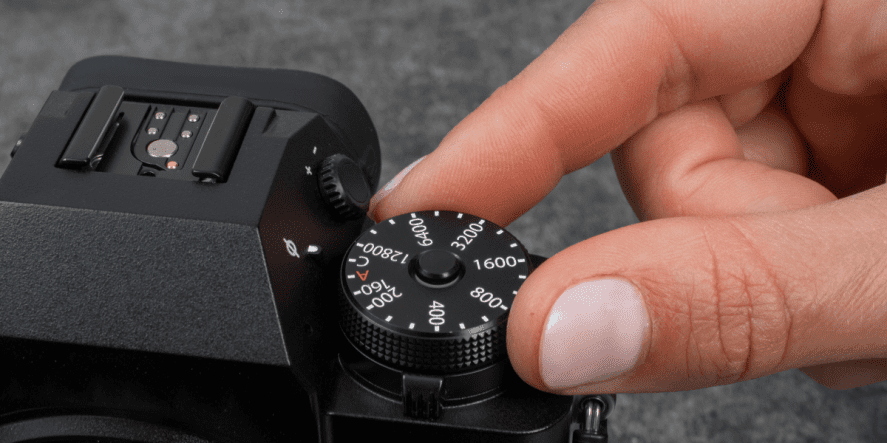
When you first pick up a camera, you’re often faced with a choice that can feel overwhelming. Should you use auto mode or dive into the mysterious world of manual mode? This question has puzzled countless photography enthusiasts, from beginners just starting their journey to those looking to upgrade their craft.
The truth is, understanding the distinction between manual mode vs auto mode isn’t just about technical knowledge; it’s about taking control of your creative vision and knowing when each approach serves you best.
Understanding Camera Auto Mode
Auto mode is your camera’s way of saying, “Don’t worry, I’ve got this.” When you flip your camera to auto, the device automatically determines the best settings for your current lighting conditions. It calculates aperture, shutter speed, ISO, and white balance without requiring any input from you. This is where auto camera settings shine, especially when you’re learning the ropes.
Think of auto mode as having an experienced assistant standing beside you, instantly adjusting everything based on what they see. You frame your shot, press the button, and the camera handles the technical heavy lifting. This approach is fantastic for casual photographers, family gatherings, or situations where you need quick, reliable shots without overthinking the process.
The Advantages of Auto Mode
Auto mode excels in several scenarios. It’s user-friendly, making it perfect for beginners who are still learning the fundamentals of photography. Your camera’s built-in meter will attempt to expose your image correctly, and in most standard lighting situations, it does a respectable job.
Additionally, auto mode is lightning-fast. You don’t need to scroll through menus or adjust dials; you simply compose and shoot. For spontaneous moments that demand quick reflexes, auto mode delivers. It also removes the anxiety many beginners feel about “getting it wrong,” which can be liberating when you’re just starting to enjoy photography as a hobby.
The Limitations of Auto Mode
However, auto mode has considerable blind spots. Cameras can’t think creatively. They can’t understand your artistic intention or the mood you’re trying to convey. In challenging lighting situations, like backlit scenes, silhouettes, or low-light environments, auto mode often struggles to deliver what you envisioned.
Your camera also can’t prioritize what matters most in your frame. If you want motion blur in the background while keeping your subject sharp, or if you want to capture the entire landscape in focus, auto mode will make compromises you didn’t authorize.
Mastering Manual Mode
Manual mode puts you in the driver’s seat. Instead of the camera deciding, you control the three pillars of exposure: aperture, shutter speed, and ISO. The camera manual vs. auto comparison reveals that manual mode essentially makes you the decision-maker. This is where true creative control begins.
With DSLR manual mode, you’re not just taking pictures; you’re actively creating them. Every adjustment you make influences how your final image appears, from the depth of field to how motion is captured to the overall brightness of your shot.
How to Use Manual Mode
Understanding how to use manual mode starts with grasping the exposure triangle. Aperture controls how much light enters your lens and affects depth of field. Shutter speed determines how long light is exposed to your sensor and influences motion capture. ISO is your sensor’s sensitivity to light.
Let’s say you’re photographing a waterfall. You want silky, flowing water, which requires a slower shutter speed. In manual mode, you’d intentionally select that slower speed. In auto mode, the camera might choose a faster shutter speed to prevent motion blur, which is exactly the opposite of what you want.
Learning how to use manual mode means understanding these relationships. A wider aperture lets in more light but blurs the background. A faster shutter speed freezes action but requires more light. These aren’t limitations, they’re tools for storytelling.
The Benefits of Manual Control
Manual mode gives you complete creative freedom. You can intentionally underexpose for dramatic effect, overexpose for a dreamy quality, or maintain perfect exposure for technical precision. You’re no longer hoping the camera understands your vision; you’re directly implementing it.
This mode also makes you a better photographer. You develop a deeper understanding of how light and camera settings interact. You learn to read scenes, predict exposure challenges, and solve them before you press the shutter button. This knowledge compounds over time, making you more confident and capable.
Manual Mode vs Auto Mode: The Real Comparison
The debate between manual mode and auto mode isn’t really about one being superior. Rather, it’s about recognizing their different purposes. Auto mode excels when convenience matters more than creative control. Manual mode thrives when your artistic vision demands precision.
Professional photographers rarely use full auto, yet many use semi-automatic modes like aperture priority or shutter priority, a middle ground where you control one element and let the camera handle another. This hybrid approach often provides the best balance between control and speed.
When you’re investing in equipment and learning photography, understanding when to use each mode is crucial. If you’re exploring the price of a camera in Pakistan or considering your options, knowing these differences helps you choose the right tool and approach for your needs. At Golden Camera, we help photographers of all levels find equipment that matches their skill and ambition.
When to Use Each Mode
Auto mode is ideal for casual photography, family events, travel snapshots, and situations where you prioritize getting the shot over creative control. It’s also excellent for learning basic composition while the camera handles technical details.
Manual mode becomes essential when you’re working in unusual lighting, creating conceptual work, pursuing professional photography, or needing specific creative effects. It’s invaluable in controlled environments where you can take time to nail your settings.
Building Your Photography Skills
The path forward involves practice with both modes. Start in auto to build compositional instincts, then gradually transition to manual as you gain confidence. Use semi-automatic modes as training wheels; they help you understand one variable at a time.
Many photographers find that understanding manual mode actually makes them better at using auto mode too. You develop an intuition for good exposure and can recognize when auto mode is making compromises you don’t want.
Final Thoughts
Manual and auto modes balance convenience and control; neither is better; each serves different needs. Starting with auto is fine, but transitioning to manual broadens creative options. Developing skills and equipment makes you more versatile. Ultimately, the camera is a tool; your vision, light, and composition create impactful images.
Understanding the price of DSLR cameras in Pakistan should factor in your intended use. If you want to improve your skills and try new ideas, a good DSLR with manual controls is helpful. Golden Camera offers options for all levels and budgets to help you find the right camera.