
Blog
Understanding The Use Of Lenses In Photography

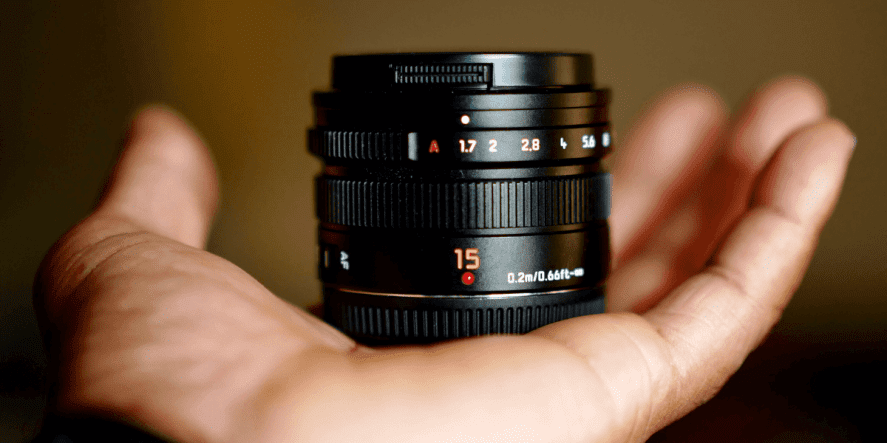
Photography is not just about pointing a camera and pressing the shutter button. Behind every striking portrait, breathtaking landscape, or close-up detail shot, there is careful thought about the lens that brings the image to life. A lens is not simply a piece of glass in front of the camera. It is the essential tool that controls light, perspective, and depth, shaping how the world is captured. If you want to truly grow as a photographer, you need to understand how lenses work, why they differ, and how each type has its own strengths.
This guide will help you understand lenses in a way that feels practical and easy to follow. By the end, you will feel confident about choosing and using the right lens for any kind of photography.
The Role of Camera Lenses in Photography
A camera lens is the eye of the camera. Without it, the sensor or film cannot record an image. A lens directs light toward the camera’s sensor, bending and shaping it to create sharpness, focus, and depth. Every lens has its own character, and that character can completely change how a photograph looks.
The quality of a lens affects not only sharpness but also color reproduction, contrast, and how well it handles difficult light. A professional photographer may carry several lenses, each designed for a specific type of image. Even hobbyists notice how dramatically photos change when they switch from one lens to another.
When you start learning about how camera lenses work, it becomes clear that they are not just accessories. They are the very foundation of creative photography.
How Do Camera Lenses Work?
To answer the question of how camera lenses work, consider how your eye sees the world. Light enters the eye, passes through the cornea and lens, and is focused on the retina. A camera lens works in a very similar way.
Light enters the front glass element of the lens and is directed through a series of internal elements. These are carefully designed to bend light and focus it on the sensor. The aperture inside the lens controls how much light enters, just like the iris of your eye. A wide aperture allows more light, which is perfect for darker environments, while a small aperture allows less light but creates greater depth of field.
The focusing mechanism, manual or automatic, adjusts the distance between the lens elements and the sensor. This determines which part of the image appears sharp. Understanding this helps you see why a lens is not just a piece of glass. It is a carefully engineered tool that works with light to form an image.
Understanding the Difference Between Prime Lens and Zoom Lens
One of the first choices photographers face is between a prime lens and a zoom lens. The difference between prime and zoom lens types lies in their focal lengths and flexibility.
Prime Lens
A prime lens has a fixed focal length. For example, a 50mm lens does not zoom in or out. You need to move closer or farther from your subject to change the frame. While this may seem limiting, prime lenses are valued for their sharpness, wide maximum apertures, and ability to produce beautiful background blur. They are often lighter and smaller, making them easy to carry.
Zoom Lens
A zoom lens covers a range of focal lengths. A 24-70mm lens can switch from wide-angle to short telephoto with a twist of the ring. This flexibility is convenient in situations where you cannot move closer, such as at an event or when photographing wildlife. However, zoom lenses are usually heavier and may not offer as wide an aperture as many prime lenses.
When deciding between the two, think about your style of photography. If you want maximum sharpness and often shoot portraits, primes are excellent. If you want versatility and do not want to change lenses often, zooms make more sense.
Types of Camera Lenses in Photography
There are many types of camera lenses in photography, and each has a specific purpose. Here are the most common categories:
- Standard Lenses: Often around 50mm, these mimic the human eye’s perspective. They are great for everyday use and are often the first choice for beginners.
- Wide-Angle Lenses: These lenses capture more of the scene, making them perfect for landscapes, architecture, and interiors. They exaggerate depth, making close objects appear larger.
- Telephoto Lenses: These lenses magnify distant subjects, making them ideal for sports, wildlife, and portraits where you want to blur the background.
- Macro Lenses: Built for close-up photography, these lenses capture fine details of flowers, insects, and textures.
- Fisheye Lenses: These ultra-wide lenses create a curved, distorted effect, often used for creative shots or action sports.
- Tilt-Shift Lenses: Specialized lenses that allow control over perspective and focus plane, often used in architectural photography.
Learning about the types of camera lenses in photography helps you see how much control you have over your images. Choosing the right lens is like choosing the right paintbrush for a painting.
Understanding the Difference Between Macro Lens and Micro Lens
You may have heard people ask about the difference between a macro and a micro lens. These terms can be confusing because they are often used in marketing.
Macro Lens
A macro lens is specifically designed to focus at very close distances, usually with a magnification ratio of 1:1. This means the subject appears life-size on the camera’s sensor. A true macro lens is perfect for capturing details such as the veins of a leaf or the wings of a butterfly.
Micro Lens
The term micro lens is often used by certain brands, particularly Nikon, to refer to their macro lenses. In practice, macro and micro lenses are the same thing. The important point is that these lenses are meant for close-up photography with high levels of detail.
So when photographers talk about the difference between macro and micro lenses, the answer is simple. There is no real difference in function. It is just a naming convention by manufacturers.
What Is Lens Flare in Photography?
Another concept that photographers frequently ask about is what lens flare is in photography. Lens flare occurs when bright light, often the sun, directly hits the lens and scatters inside the glass elements. This scattering creates streaks, circles, or haze across the image.
Sometimes, lens flare is unwanted because it reduces contrast and makes an image appear washed out. Many modern lenses include special coatings to reduce flare. Using a lens hood can also help by blocking stray light.
However, lens flare can also be used creatively. Photographers sometimes embrace it to add atmosphere, warmth, or drama to their images. For example, a portrait with sun flare can look natural and dreamy. Understanding what lens flare is in photography helps you decide when to avoid it and when to use it as part of your artistic style.
How to Read Lens Specifications?
When shopping for a new lens, you will come across technical details that may look confusing at first. Learning how to read lens specifications is essential if you want to make the right choice.
Let’s take an example: “Canon EF 50mm f/1.8 STM.”
- Canon EF: This shows the lens mount type, which tells you which cameras the lens is compatible with.
- 50mm: This is the focal length, showing how much of the scene will be captured. In this case, 50mm is a standard lens.
- f/1.8: This is the maximum aperture, which affects how much light the lens lets in. A lower number means a larger opening, allowing for more light and a shallower depth of field.
- STM: This is the type of focusing motor used in the lens.
Other specifications may include image stabilization, filter size, and special coatings. Once you know how to read lens specifications, you can quickly understand what a lens offers and compare it with others.
Choosing the Right Lens for Your Needs
Now that you know about different lens types, specifications, and effects, the next step is deciding which one fits your style. If you love portraits, a prime lens with a wide aperture might be the best choice. If you travel often and want flexibility, a zoom lens can help you cover a range of scenarios. For product or nature photography, a macro lens is invaluable.
If you are shopping locally, you will notice that the variety of Camera Lenses in Pakistan has grown significantly in recent years. Photographers now have access to both entry-level and professional lenses that were once harder to find. This makes it easier to experiment with different options until you discover what suits your creative vision.
Practical Tips for Using Camera Lenses
Camera lenses are essential for capturing high-quality images, and proper care and technique can make a significant difference in your photography. Paying attention to both maintenance and usage ensures that your lenses perform at their best.
I. Keep Your Lens Clean
Dirt, smudges, and dust can degrade image quality, causing blurry or hazy photos. Always use a microfiber cloth or lens cleaning tissue to gently wipe the lens surface. Avoid using rough or harsh materials, as they can scratch the glass. For stubborn dirt or fingerprints, use a small amount of lens cleaning solution designed specifically for camera optics. Regular cleaning not only improves image clarity but also prolongs the life of the lens.
II. Use Lens Hoods
Lens hoods serve two important purposes. They help reduce lens flare caused by direct light sources and provide additional protection for the front element. A lens hood can prevent accidental scratches or minor impacts, making it a simple yet effective accessory to keep on your lens during shoots.
III. Mind Your Aperture
Understanding how aperture affects depth of field is key to creative photography. Wide apertures create a shallow depth of field, ideal for portraits and isolating subjects, while narrow apertures increase the depth of field, making landscapes and group shots sharper from foreground to background. Experimenting with different settings helps you learn how to achieve the desired effect in various scenarios.
IV. Practice Manual Focus
Autofocus is convenient, but manual focus offers precise control, especially in low light or complex compositions. Practicing manual focus allows you to fine-tune sharpness and ensures critical areas of your image are perfectly clear.
V. Protect Your Investment
Camera lenses are a significant investment. Always use lens caps when not in use, store lenses in padded bags, and consider using UV or protective filters. This simple step protects the glass from scratches, dust, and accidental damage.
By following these practical tips, you can get the most out of your camera lenses, improve your photography skills, and keep your equipment in excellent condition for years to come.
The Future of Camera Lenses
Technology continues to change photography. Lens manufacturers are creating lighter, sharper, and more advanced designs. Features such as vibration reduction, advanced coatings, and faster autofocus systems are becoming more common. Mirrorless cameras have also led to new lens designs that are more compact but just as powerful.
If you are buying, you may notice that the latest mirrorless lenses are now widely available alongside traditional DSLR lenses. This gives photographers more choices than ever before.
Concluding Remarks
Understanding camera lenses is about more than just knowing technical terms. It is about recognizing how each lens shapes your vision of the world. The right lens not only captures what is in front of you. It tells a story in the way light, focus, and depth come together. Mastering lenses is one of the most rewarding steps in growing as a photographer.
Looking to upgrade your photography gear or find the perfect lens for your creative needs? Golden Camera, the best Camera Store in Pakistan, is here to help. With a wide range of options, expert guidance, and reliable service, you can trust us to provide the tools that bring your vision to life.