
Blog
Continuous vs Flash Lighting: Pros & Cons

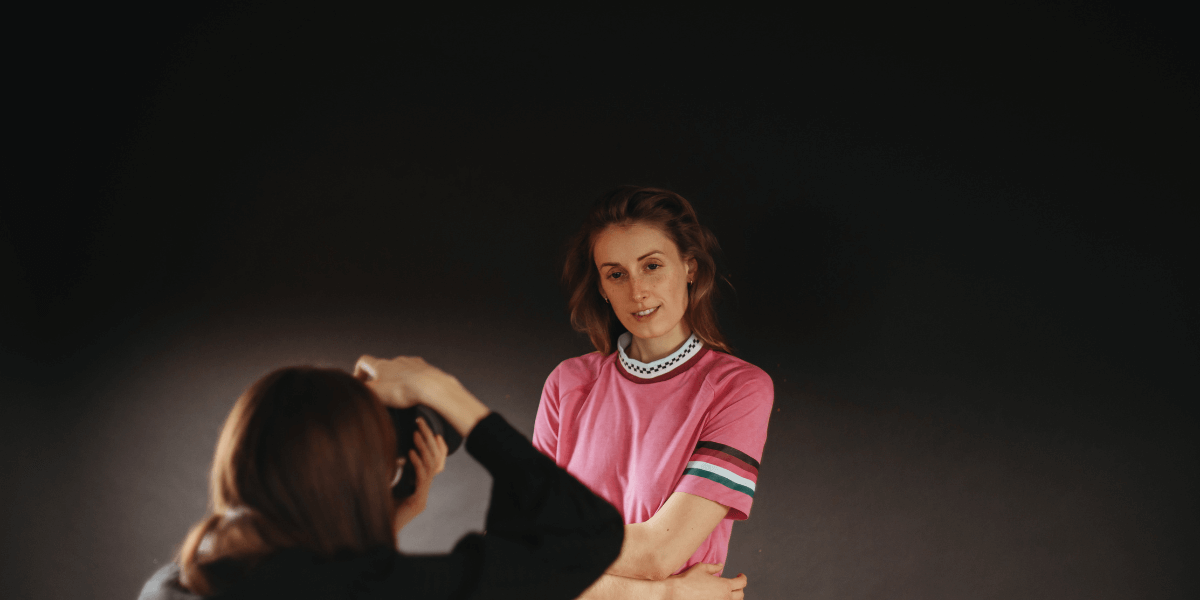
A photographer capturing the perfect portrait or a videographer crafting cinematic visuals, lighting can make or break your final product. One of the biggest debates in the creative world is continuous lighting vs flash lighting. Both have unique benefits and drawbacks, and choosing the right one can feel like trying to solve a tricky puzzle.
If you’ve ever been stuck wondering “Should I go for flash or LED lights for photography?”, you’re not alone. In this blog, we’ll break down the pros and cons of continuous and flash lighting, helping you make a well-informed decision based on your style, subject, and shooting environment.
What Is Continuous Lighting?
Continuous lighting refers to any light source that remains on constantly, much like natural daylight or a standard light bulb. It includes LED panels, tungsten bulbs, fluorescent lights, and other lighting sources. What you see is what you get, literally. This makes it especially useful in video production and photography where real-time lighting feedback is essential.
Pros of Continuous Lighting
● Perfect for Beginners
You can see how the light interacts with your subject in real-time, making adjustments easy on the fly.
● Ideal for Video Work
If you’re into continuous light for video shooting, this is your go-to option. Flash lighting just doesn’t work for video.
● Great for Product Photography
For static objects or slower-paced shoots, continuous lighting offers precision and control.
Cons of Continuous Lighting
● Heat Output
Older models, like tungsten lights, generate a lot of heat. This can be uncomfortable, especially in smaller studios.
● Power Consumption
Continuous lights can drain electricity faster than flashes. Not ideal for outdoor or battery-powered setups.
● Lower Intensity
Compared to flash, these lights often struggle to match brightness levels, especially in bright or sunlit settings.
Continuous lighting has its pros and cons. However, it works for those who need it, according to their specific projects.
What Is Flash Lighting?
Flash lighting, also known as strobe lighting, delivers a powerful burst of light in a fraction of a second. This makes it a favorite in studio environments and situations where sharpness and light control are critical.
Pros of Flash Lighting
● High Power Output
Flash units are incredibly bright, allowing for a greater depth of field and lower ISO settings, which result in cleaner images.
● Freeze Motion Perfectly
Ideal for fast-paced photography, such as sports or dance, flash stops motion in a crisp, clean frame.
● More Battery Efficient
Since flashes are used in short bursts, they consume less power overall compared to continuous lights.
Cons of Flash Lighting
● Learning Curve
You can’t always see the light before taking a shot, which means more trial and error for beginners.
● Not for Video
Flash isn’t compatible with video. If you’re planning to shoot video content, this one’s a no-go.
● More Equipment Required
You often need triggers, receivers, and modifiers, making set-up a bit more complex.
Just like continuous lighting, flash lighting has its pros and cons, but both are great choices depending on what suits you best.
Flash vs LED Lights in Photography
When comparing flash vs LED lights in photography, LED lights fall under the continuous lighting umbrella. LEDs are known for being cooler, energy-efficient, and portable. But can they match flash in a professional setup?
- Brightness: Flash still reigns supreme when it comes to sheer power.
- Control: Flash provides sharper falloff and enables more dramatic lighting effects.
- Usability: LEDs are plug-and-play, while flash systems require syncing and manual adjustments.
Which One Should You Choose?
Before investing in lighting gear, here are a few things to consider:
- What do you shoot most?
If you’re a videographer or content creator, continuous lights (mainly LED panels) are the obvious choice.
- Do you work indoors or outdoors?
Flash is ideal for overpowering natural light in outdoor shoots.
- Do you need portability?
LED lights are often lighter and easier to carry around. Flash systems, although more powerful, tend to be bulkier.
Hybrid Setups
Some professionals use a combination of flash and continuous lighting to achieve specific looks or improve workflow. For example, using continuous lights for video and flash for product stills. It’s not uncommon for well-equipped studios to have both lighting systems on hand.
Where to Get Quality Lighting Gear in Pakistan
When you’re ready to invest in lighting, make sure you’re buying reliable studio lighting equipment in Pakistan. If you’re a beginner or a seasoned pro, all the popular brands like Godox, Aputure, and others offer both flash and LED options that suit various needs and budgets.
For a one-stop solution, check out Golden Camera, a trusted supplier of photography gear and camera accessories in Pakistan. Our wide selection and excellent customer service make us a solid choice for your next gear upgrade.
FAQs
1. Can I use flash and continuous lighting together?
Yes, many photographers use both to fill shadows, create highlights, or balance ambient light. Just be mindful of color temperature differences.
2. Which lighting is better for beginners?
Continuous lighting is usually easier to start with. Since you can see how the light behaves in real-time, it’s simpler to adjust the settings.
3. Are flashlights harmful to the eyes?
Frequent flashing can be uncomfortable or disorienting for some subjects, especially during portrait sessions. Always use flash responsibly.
4. Is LED light enough for professional photography?
Yes, high-quality LED panels with adjustable brightness and color temperature can produce stunning results, especially in controlled environments.
5. Why is my flash photo too bright or too dark?
It likely comes down to incorrect flash power, aperture, or ISO settings. Learn to balance these elements for better exposure.
6. Does continuous lighting affect skin tone in portraits?
It can, especially with lights that have poor color rendering (low CRI). Always choose lights with a CRI of 90 or above for natural skin tones.
Final Thoughts
There’s no universal winner in the continuous lighting vs flash lighting debate; it all depends on your creative goals. If you’re shooting videos or need consistent ambient lighting, continuous setups are your friend. However, if you’re seeking crisp, high-quality images with full control over exposure, investing in flash lighting is a worthwhile option. Whatever your path, take the time to experiment and see what works best for your workflow. The right lighting doesn’t just illuminate your subject; it brings your entire vision to life.