
Blog
Single vs Dual Channel Mics: Which One Should You Get?

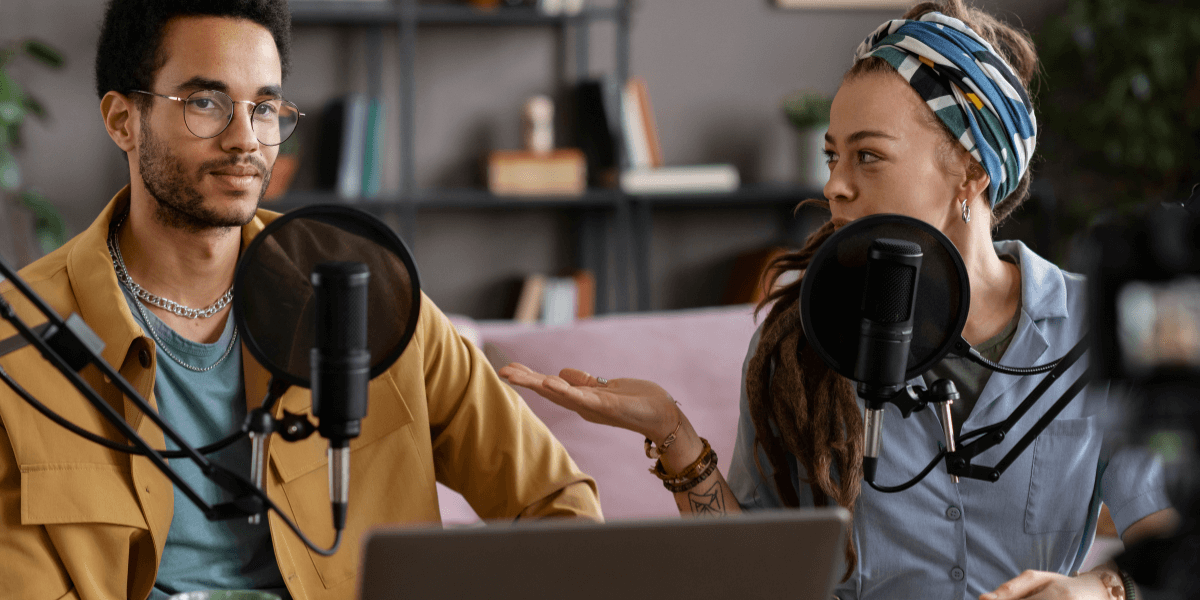
Content creator, podcaster, wedding videographer, or someone who occasionally loves recording clean audio. Single or dual-channel microphones are both good options, and the choice between a single-channel mic and a dual-channel mic can be a little overwhelming. Both serve a purpose, but the right pick depends on what you plan to do with your microphone.
In this blog, we’ll explore the differences, advantages, use cases, and tips for choosing between single and dual-channel microphones, especially tailored for users in Pakistan who need dependable and high-quality sound solutions.
What Is a Channel in a Microphone Setup?
Before we dive in, let’s make one thing clear: when we talk about a “channel” in audio terms, we’re referring to a separate audio input path. A single-channel mic records one audio source, while a dual-channel mic allows you to capture two separate audio sources simultaneously. This is a game-changer depending on your recording scenario.
Single Channel Mics
Single-channel microphones are designed for recording one source at a time. That could be your voice in a podcast, a solo artist during a live performance, or a single speaker during a lecture.
These mics are usually lighter, more affordable, and easier to operate. For beginners or those who don’t need to record multiple sources, single-channel microphones are perfect for the job.
Benefits of Single Channel Mics
- User-Friendly: Plug-and-play simplicity with minimal settings.
- Affordable: Typically less expensive than dual-channel systems.
- Reliable: Fewer components mean fewer chances for malfunction.
- Compact: Ideal for handheld or mounted use on DSLRs and mobile setups.
If you’re just starting your journey into professional audio or need something for YouTube vlogs, solo interviews, or school projects, this mic type is a solid entry point.
Dual Channel Mics
So, how does a dual-channel microphone work? It captures audio from two separate sources simultaneously. Consider combining two lavalier mics into one receiver. Each mic gets its dedicated channel, allowing you to control and edit them independently during post-production.
Benefits Of Dual Channel Mic
- Multi-Source Recording: Ideal for interviews, conversations, or events where multiple speakers are present.
- Audio Separation: You can isolate voices for clean editing.
- Time-Saving: No need to sync multiple devices later on.
- Professional Output: Crisp sound quality and balanced audio.
When Should You Use a Dual Channel Mic?
Here’s when a dual-channel mic setup shines:
- Podcast interviews with guests.
- Wedding shoots where you need to mic the bride and groom.
- Corporate videos involve multiple speakers.
- YouTube content featuring co-hosts or collaboration.
Audio Quality: Single vs Dual Mic
This is where many people make the mistake of assuming more channels equal better audio quality. Not necessarily.
- Single-channel microphones can offer crystal-clear sound, especially when recording a single voice. Some of the best single-channel mics rival high-end dual systems in audio fidelity.
- Dual-channel microphones do offer more flexibility, and when paired with high-end lavaliers or handhelds, the audio quality is rich and layered, making it ideal for post-editing.
So, in the battle of audio quality, single vs dual mic, the winner depends on your use case, not just the mic type.
Which One Should You Get?
Here’s a quick breakdown to help you decide:
| Feature | Single Channel Mics | Dual Channel Mics |
| Best For | Solo recordings, voiceovers, vlogs, lectures, live solo performances | Interviews, dual-speaker events, podcasts with guests, weddings, corporate videos |
| Audio Capture | Records from one audio source only | Records from two separate audio sources simultaneously |
| Ease of Use | Very user-friendly; plug-and-play with minimal setup | Slightly more complex setup; requires syncing two transmitters to one receiver |
| Affordability | More affordable than dual systems | Generally more expensive due to extra hardware and functionality |
| Portability | Lightweight, compact, and perfect for mounting on DSLRs or mobile rigs | Slightly bulkier due to additional transmitter |
If your content primarily consists of solo recordings, a single-channel microphone is ideal for capturing them. However, if you frequently collaborate with another speaker or host events, choosing the right mic channel may require opting for a dual-channel mic.
Popular Use Cases in Pakistan
Read about the popular use cases for these mics in Pakistan:
For Content Creators and YouTubers
Most vloggers and solo creators in Pakistan prefer using single-channel wireless microphones, primarily from brands like BOYA or Rode. These microphones are popular because they are lightweight, affordable, and highly portable, making them ideal for outdoor shooting, interviews, and on-the-go content creation, ensuring clear audio quality.
For Event Coverage and Interviews
Wedding videographers or event planners benefit greatly from dual-channel microphones, especially those that pair well with DSLRs and mirrorless cameras. Brands like DJI offer fantastic dual-channel systems that record multiple voices simultaneously without overlap.
Tips for Buying the Right Mic in Pakistan
Check out these helpful tips to find the perfect microphone that’s right for you!
1. Check Compatibility
Ensure your microphone is compatible with your device (e.g., camera, smartphone, mixer). Look for USB-C or Lightning connectors if you’re using a phone for shooting.
2. Consider Environment
Are you shooting indoors or outdoors? Urban areas in Pakistan can be noisy, so noise cancellation and wind protection features become essential.
3. Prioritize Battery Life
Whether you’re covering an event or conducting a corporate shoot, you need a microphone that won’t die mid-session.
4. Look for Dual Recording Modes
Some mics allow you to record in mono or stereo mode, giving you the flexibility to switch based on your situation.
Brands and Models to Consider
Here are some of the top mic options available in Pakistan:
Single-Channel Microphones
Behringer ULTRALINK ULM300MIC Wireless Microphone System
- Channel Type: Single‑channel receiver with one handheld mic.
- Wireless Technology: Operates on 2.4 GHz digital frequency, and automatic pairing simplifies setup.
- Battery & Range: Up to 24 hours of battery life and roughly 200 m range line-of-sight.
- Controls & Outputs: Built-in volume and mute controls on the mic; balanced XLR and unbalanced ¼″ outputs.
- Ideal For: Public speaking events, DJs, presenters, or vocal performers needing reliable, long-lasting wireless operation with minimal setup
Synco WAir-G1-A1 Ultracompact Single‑Channel Microphone
- Channel Type: Single-channel system with a transmitter (built-in + lav mic) and compact receiver.
- Connectivity: Connects to your DSLR, mirrorless, or mobile device via 3.5 mm cable (supplied).
- Battery & Range: Rechargeable transmitter battery supports ~5 hours continuous use; range up to ~230 ft (≈70 m) in clear conditions.
- Key Features: One-button pairing, adjustable gain on receiver, ultracompact design ideal for mobile creators and journalists
- Best For: Vloggers, YouTubers, Instagram or TikTok content creators shooting solo interviews or voiceovers.
Dual-Channel Microphones
Godox WMicS1 Kit 1 (Dual‑Channel Receiver)
- Channel Type: Includes one lavalier transmitter and a dual-channel receiver that supports a second microphone (sold separately).
- Use Mode: With one mic, both left and right camera channels capture the same audio; with two, each mic maps separately, enabling audio isolation (left for first mic, right for second) for post-processing.
- Transmission & Controls: Up to 328 ft (≈100 m) range, selectable RF power (40 mW/10 mW), OLED input-level display, and 30-step volume control per mic.
- Battery: Bodypack and receiver powered via AA batteries or USB; ideal for longer shoots.
- Great For: Interviews, dual-speaker YouTube content, lectures, particularly when you anticipate adding a second mic later.
BOYA BY‑XM6‑S2 Dual Person Wireless Mic
- Channel Type: Dual-person wireless microphone system (two transmitters to one receiver) designed for capturing two separate audio sources.
- Availability: Listed on our site as BOYA BY‑XM6‑S2, this dual-person system features pricing and technical details.
- Suitability: Ideal for interviews, co-hosted content, weddings, and corporate sessions where two speakers need independent audio capture.
- Why It Fits: Despite limited detail, it offers various dual‑channel mic benefits, including multi-source recording and separation capabilities. Visit the listing for full specs or to confirm inventory.
If you’re searching for great deals on microphones in Pakistan, check out these models at Golden Camera. Don’t miss out, grab yours today and begin your recording adventures!
FAQs
Below, you will read the FAQs related to this comparison:
1. What is the main difference between single and dual-channel microphones?
Single-channel mics record audio from one source at a time, while dual-channel mics can record from two separate audio sources simultaneously, making them ideal for interviews, podcasts, and events involving more than one speaker.
2. Do I need a dual-channel mic for podcasting?
If your podcast features two people speaking simultaneously (such as a host and a guest), a dual-channel mic setup is highly recommended. It provides better clarity and editing flexibility by recording each voice on a separate track.
3. Are dual-channel mics always better than single-channel ones?
Not necessarily. While dual-channel microphones provide greater flexibility, multiple input options, and are ideal for complex recordings involving various sound sources, single-channel microphones are more straightforward. They are well-suited for solo creators, podcasts, or simple projects where only one sound source needs to be captured. It all depends on your specific recording needs and setup.
4. Can I use a dual-channel mic setup with just one transmitter?
Yes! Most dual-channel systems are versatile and user-friendly, allowing you to operate with just one microphone while leaving the second one unused. This flexibility is especially beneficial during solo shoots, as it enables you to activate the second transmitter later if needed, without any hassle or inconvenience.
5. How does a dual-channel microphone work in real-time recording?
It uses two transmitters and one receiver to capture audio from two different sources. Each source is sent to a separate audio channel, allowing for independent volume control and easier post-production editing.
6. What’s better for wedding videography, a single or dual channel mic?
A dual-channel microphone is the superior choice for capturing high-quality audio during a wedding or similar event. It allows you to record sound from both the bride and groom or the couple and the officiant simultaneously. This ensures that all voices are captured clearly, maintaining clarity and preventing background noise from interfering.
7. Will dual-channel mics affect battery life more than single-channel ones?
Typically, yes, having two transmitters active at the same time generally results in higher power consumption because each device draws power independently. However, many modern dual-channel systems are designed with rechargeable cases or batteries, which help extend usage time significantly, ensuring longer operational periods between charges.
8. Are there budget-friendly dual-channel mic options available in Pakistan?
Absolutely! Brands like BOYA, Saramonic, and Hollyland offer dual-channel wireless mics with great performance at affordable prices. Always check reliable retailers like Golden Camera for the latest deals and promotions.
9. Is it harder to set up a dual-channel mic compared to a single-channel mic?
This setup can be somewhat more complex, particularly for beginners who are new to such technology, because it involves syncing two transmitters with a single receiver, which might seem complicated at first. However, most modern systems are designed to simplify this process, often including features like automatic or auto-pairing to make setup easier.
10. Can I mix and match lavalier mics with dual-channel systems?
Yes. Many dual-channel systems support third-party lavaliers. Ensure the connectors match and that the microphone is compatible with your receiver’s input.
Final Thoughts
Choosing between a single-channel and dual-channel microphone boils down to your workflow, audience, and content goals. If you’re a solo creator just getting started, a single-channel mic offers simplicity and budget control. But if your projects are evolving to include interviews, events, or multi-speaker setups, a dual-channel mic is definitely the smarter pick.
Remember, good audio is just as important as video, maybe even more. Take your time, explore trusted brands, and choose the system that aligns with your creative goals. Shop for the authentic products online from Golden Camera, the top camera shop in Pakistan.