
Blog
FPV vs. Cinematic Drone: What’s the Difference?

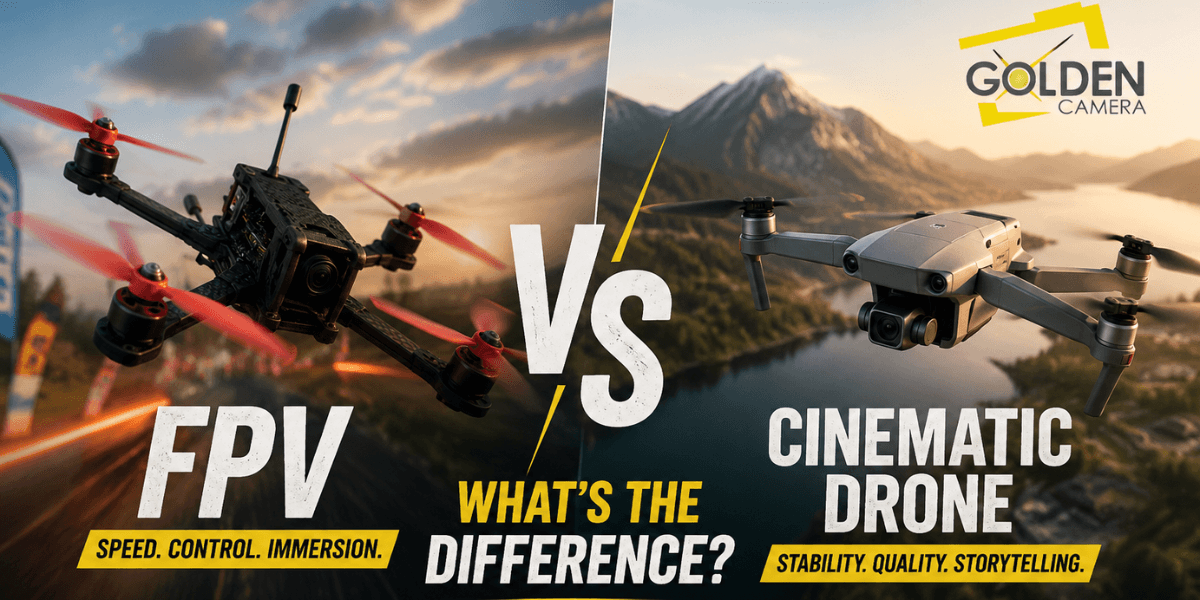
Drones have become a visible part of photography and video production in Pakistan, especially in Karachi, Lahore, and Islamabad, where content creation has grown rapidly across social platforms and commercial work.
Drone videography has split into two very distinct creative directions. On one side, you have raw, immersive footage that puts viewers inside the action. On the other hand, you have sweeping, polished aerial visuals built for film and commercial production. Understanding the FPV vs cinematic drone debate is no longer just a tech conversation; it is a creative decision that shapes how your final content looks and feels.
If you are trying to decide which type suits your work, this guide breaks down everything you need to know.
What is an FPV Drone?
FPV stands for First-Person View. These drones are flown using a headset or screen that streams a live feed directly from the drone’s camera. The pilot essentially “sees” from the drone’s perspective in real time.
FPV drones are known for their agility. They can fly through tight spaces, execute sharp turns, dive at high speeds, and weave between obstacles in ways that conventional drones simply cannot. This makes them a favorite for action sports, motorsports coverage, chase sequences, and immersive travel content.
Since FPV drones focus on speed and tight movement, camera choice matters for clean output. GoPro cameras are widely paired with FPV rigs because of their lightweight build and strong stabilization features. Reviewing the GoPro price in Pakistan through Golden Camera helps creators choose the right model for professional action recording.
Types of FPV Drones
The types of FPV drones available today cover a wide range of use cases:
- Racing FPV drones: Built purely for speed. Lightweight frames, powerful motors, and minimal camera quality focus.
- Freestyle FPV drones: Designed for tricks, proximity flying, and cinematic stunts. Popular with content creators on YouTube and Instagram.
- Cinewhoop drones: Compact, ducted-propeller drones built for smooth indoor and tight-space filming. Great for real estate and event coverage.
- Long-range FPV drones: Extended flight range for exploration and adventure content, often used in travel filmmaking.
Each type serves a different creative purpose, so understanding your project requirements matters before any purchase.
What is a Cinematic Drone?
A cinematic drone prioritizes stability, image quality, and ease of operation. These are the drones most commonly associated with landscape photography, wedding films, commercial advertising, and broadcast-quality aerial footage.
DJI dominates this category. Models such as the DJI Air 3, DJI Mavic 3 Pro, and DJI Inspire series are designed to produce smooth, high-resolution footage straight out of the box. They include GPS stabilization, automated flight modes, and advanced obstacle avoidance, all built to make professional results accessible.
According to a study published on ResearchGate, DJI’s advancements in drone camera technology, particularly in aerial photography, have become a defining feature of its brand. Its high-resolution cameras combined with advanced image processing allow users to capture high-quality aerial images with ease.
For creators comparing professional drone options, checking DJI drone prices in Pakistan helps select the right model for smooth aerial work. Golden Camera offers up-to-date listings and expert guidance so buyers can find reliable DJI kits suited to their filmmaking needs.
The Core Differences Between an FPV and a Cinematic Drone
FPV and cinematic drones sit on two different sides of aerial filming. The comparison below breaks down key areas where both systems differ, helping clarify how each behaves under real filming conditions and what results each produces.
1. Flight Style
FPV drones use an aggressive, highly responsive flight style that responds instantly to pilot input. Movements feel sharp, quick, and fluid in complex paths. This makes FPV ideal for tight spaces, fast chases, and creative motion shots. Cinematic drones follow a controlled flight style with steady acceleration and deceleration. Their movement is slow and predictable, which supports smooth framing and balanced video composition.
2. Camera Quality
FPV drones often rely on external action cameras or lightweight custom setups, so image quality can vary depending on the gear installed. They prioritize durability and motion over built-in imaging systems. Cinematic drones come with integrated high-resolution cameras and advanced gimbal systems. This results in consistent video output, better color accuracy, and strong detail retention, especially in professional production environments.
3. Skill Required
FPV drones demand a high level of piloting skill because they operate with minimal automation. The pilot maintains full manual control of speed, direction, and orientation at all times. This requires practice and strong coordination. Cinematic drones are easier to operate thanks to GPS support and automated flight modes such as hover and follow. These features reduce pressure on the user and allow smoother learning.
4. Best Use Case
FPV drones are best suited for action-heavy content such as sports coverage, stunt sequences, racing shots, and dynamic indoor movement. Their strength lies in fast, expressive visuals that feel energetic. Cinematic drones perform better in structured environments like weddings, real estate shoots, commercials, and landscape filming. They deliver steady visuals that support storytelling with clear framing and smooth transitions.
5. Portability
FPV drones are generally more compact and easier to carry, especially cinewhoop models designed for indoor or close-range filming. Their lightweight build makes transport and quick setup easier. Cinematic drones are also portable but tend to be slightly larger due to built-in stabilization systems, sensors, and camera hardware. This adds weight but improves overall filming stability and reliability.
6. Price Range
FPV drones usually fall into the budget-to-mid-range category, depending on configuration, accessories, and camera setup. Entry models are more affordable, but costs can rise with goggles, controllers, and upgrades. Cinematic drones sit in the mid to premium range because of advanced imaging systems, obstacle detection, and stabilized flight technology. The price difference reflects the difference in automation and image consistency.
FPV vs Cinematic Drone: Core Differences at a Glance
| Feature | FPV Drone | Cinematic Drone |
| Flight Style | Aggressive, fast, reactive | Smooth, stable, controlled |
| Camera Quality | Variable (action cam or custom) | High-resolution, built-in |
| Skill Required | High | Moderate |
| Best Use Case | Action, sports, stunts | Landscape, commercial, events |
| Portability | High (especially cinewhoops) | Moderate to high |
| Price Range | Budget to mid-range | Mid to premium |
FPV vs Cinematic Drone: Which Is Better?
According to Allied Market Research, global economic growth is increasing demand for cost-effective and efficient solutions across industries. This is driving the adoption of affordable, easy-to-use customized systems, leading drone manufacturers to develop specialized drones.
As businesses adopt aerial systems for data and monitoring tasks, the same technology is filtering into filmmaking and content creation. FPV and cinematic drones both benefit from these advancements, especially in camera quality, flight stability, and intelligent control systems.
FPV drones focus more on motion-driven, immersive filming, while cinematic drones prioritize stability and structured visual output. This difference highlights how innovation serves different creative directions rather than replacing one approach with another.
The truth is that neither option is universally superior. The choice depends entirely on what is being created, the type of shots required, and the level of control needed during filming.
Choose FPV If You:
- Want to create action-packed, immersive content
- Are shooting sports, events, or chase sequences
- Have time to develop piloting skills or already fly confidently
- Are producing social media content that needs to stand out visually
Choose a Cinematic Drone If You:
- Need broadcast or commercial-grade footage with minimal setup
- Are a photographer or filmmaker expanding into aerial work
- Are shooting real estate, weddings, tourism, or brand campaigns
- Want reliable results without an extensive learning curve
Many working professionals use both. FPV handles the dynamic moments; the cinematic drone handles the establishing and wide shots. Together, they create a complete visual language.
FAQs
1. What is an FPV drone, and how is it different from a cinematic drone?
An FPV drone uses a direct first-person view system where flight feels immersive through goggles or live feed. A cinematic drone uses automated stabilization and GPS assistance. FPV focuses on motion-heavy footage, while cinematic drones focus on smooth, controlled video quality for professional filming and commercial use.
2. Which drone is better for beginners: FPV or cinematic?
Cinematic drones are easier for beginners because they include GPS stabilization, auto-hover, and assisted flight modes. FPV drones require manual control skills and continuous practice. Beginners often prefer cinematic drones for safer learning and more stable footage, while FPV becomes suitable after gaining flight experience.
3. What type of shots can you achieve with FPV drones?
FPV drones capture fast-moving, immersive shots such as chase sequences, tight indoor passes, diving movements, and rapid transitions. These drones are used for dynamic storytelling where motion intensity matters more than perfect stabilization. FPV footage often brings a raw, energetic visual style to video production.
4. Are cinematic drones better for filmmaking?
Cinematic drones are widely used in filmmaking because they provide stable, high-quality footage with controlled movement. Their gimbals and automated flight systems allow smooth tracking shots and wide scenic captures. They are preferred in professional production environments such as weddings, documentaries, and advertisements.
5. Is FPV drone flying harder to learn?
FPV drone flying requires more practice than cinematic drone flying. Manual control of direction, speed, and orientation demands coordination and repeated training. Initial learning may feel challenging, but consistent practice develops strong control skills, allowing more creative and precise aerial movement over time.
Bottom Line
FPV and cinematic drone systems serve different roles in aerial production. FPV offers speed and immersive motion, while cinematic drones deliver structured, stable visuals. Understanding both helps in selecting the right system based on filming goals, budget, and skill level. Each system continues shaping modern visual storytelling across commercial and creative industries.
Selecting the right drone camera is crucial for achieving professional FPV and cinematic results. Golden Camera offers a wide selection of drone cameras, helping creators build efficient setups for modern aerial filmmaking needs. Check the drone camera price in Pakistan to support better investment planning.