
Blog
Is It Possible to Use a Telephoto Lens Without a Tripod?

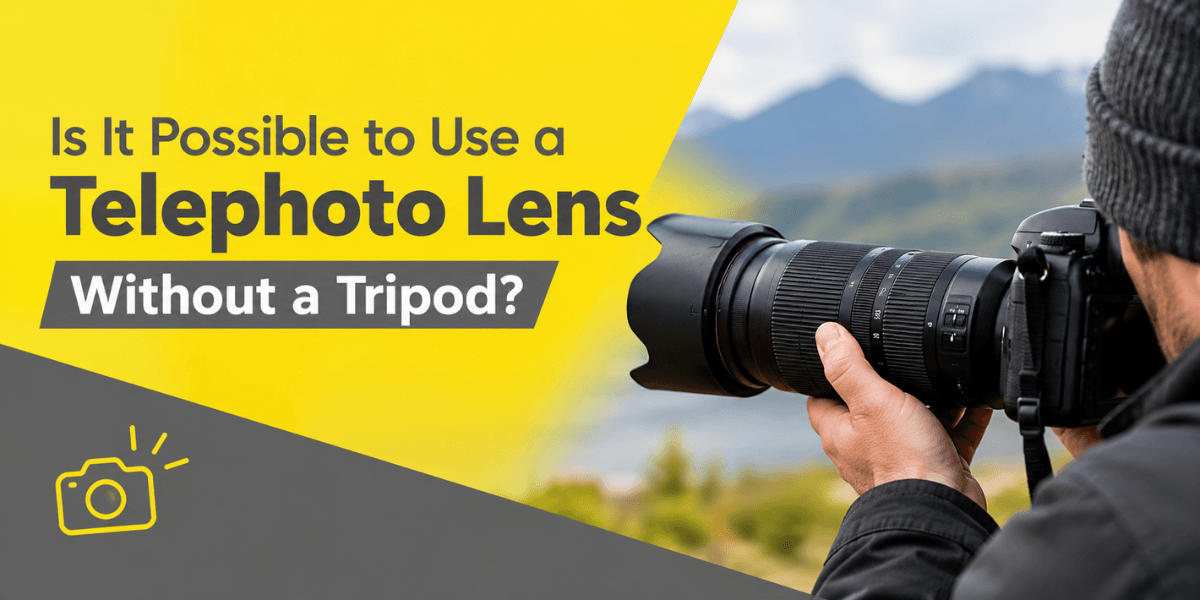
A distant bird takes flight, a perfect moment unfolds at a family gathering, and a fleeting scene begs to be captured. These moments raise a practical question: can we use a telephoto lens without a tripod and still capture sharp, detailed shots? With the right camera settings, a stable grip, and steady technique, handheld telephoto photography offers the freedom to follow the action without bulky equipment.
When Handheld Telephoto Shooting Works Well
A telephoto lens usually covers a long focal range, often 70mm to 500mm or beyond. Handheld shooting suits these lenses because moving subjects rarely wait for us to set up gear. Birds, cricket matches, family gatherings, and street scenes change quickly, and a tripod can feel restrictive when the action shifts direction.
Situations That Suit Handheld Work
Bright daylight gives us fast shutter speeds, which is the biggest advantage. Unpredictable subjects also benefit from the freedom to reframe in a second. In these conditions, a steady technique is usually enough to deliver sharp results.
Situations That Call for More Support
Long exposures and very slow shutter speeds are a different story. If you are photographing a night skyline or a landscape at dusk, a tripod remains the better choice. Recognizing these limits saves you from disappointing images. Once you know where handheld work fits, the next step is understanding the settings that protect your sharpness.
Shutter Speed Settings That Keep Handheld Shots Sharp
Shutter speed is the most important setting for sharp handheld images. A dependable guideline says your shutter speed should be at least one divided by your focal length. At 200mm, that means 1/200 of a second or faster. Learning how to use a telephoto lens handheld begins with respecting this simple guideline.
Sensor size matters too. A camera with a 1.5x crop factor increases the effective focal length, so the minimum shutter speed rises. The table below shows the general starting points.
| Lens Focal Length | Full-Frame Minimum | 1.5x Crop Minimum |
| 100mm | 1/100 | 1/150 |
| 200mm | 1/200 | 1/300 |
| 400mm | 1/400 | 1/600 |
Treat these numbers as a starting point. Technique, stabilization, and subject movement can all shift the result.
How to Hold a Telephoto Lens for Better Control
Good posture makes a heavy lens far easier to manage. These habits help you keep the frame steady, even when the lens feels big.
Set a Solid Stance
Stand with feet flat, shoulder-width apart, and turn slightly toward the subject to improve balance. A stable base reduces the small movements that blur long focal lengths.
Create a Support Triangle
Bring both elbows in against your ribs so your arms form a compact frame. With heavier lenses, keep the supporting elbow close to your body’s center. This alignment gives your wrist and hand more control.
Cradle the Lens Underneath
Place your left hand under the lens barrel instead of gripping it from above. Adjust the zoom using the lower part of the lens as well, so the weight stays balanced in your hand.
Breathe Calmly
Take short, relaxed breaths while you frame and focus. Holding your breath can create tension and slight trembling, which softens the image.
Press the Shutter Gently
Press halfway to let the focus settle, then squeeze down slowly. A quick jab can shake the camera and spoil an otherwise sharp frame.
Press the Viewfinder Gently to Your Eye
Bring the viewfinder firmly but gently against your eye. This small detail adds contact with the camera and helps reduce movement while you compose. It also keeps your head steady, which supports a smoother frame.
Lean on Nearby Support
A fence, a wall, or even your camera bag can act as a temporary rest. Placing the lens barrel on a stable surface adds steadiness, and a two-second timer keeps you from disturbing the setup when you press the button.
Photographers who want serious reach can explore the Sigma 60-600mm Sports lens at Golden Camera and choose gear that matches their shooting style.
Gear and Settings That Support Stability
Technique is only half of the picture. Knowing how to stabilize a telephoto lens also means using your equipment and exposure settings wisely.
Make the Most of Image Stabilization
Stabilization and exposure settings work together. Balancing both keeps handheld frames sharp in changing light.
Lens and Camera Features
Many telephoto lenses and camera bodies include stabilization that lets you use slower shutter speeds than usual. This offers extra flexibility, but it is far from perfect, so it should support good technique rather than replace it.
Exposure Adjustments
When the light drops, raise the ISO or open the aperture to keep your shutter speed fast enough. A slightly grainy sharp photo is usually more useful than a clean blurry one.
Practice builds confidence with every technique above. Photograph a distant subject at several focal lengths, then review the results on a larger screen, since small blur is easy to miss on the camera display. Adjust your habits based on what you see, and your keeper rate will keep improving.
FAQs
1. What factors determine whether handheld shooting is practical?
Focal length, available light, lens weight, and subject movement decide it. Bright conditions and a manageable lens make handheld work easier, while dim scenes and slow shutter speeds favor extra support. Your comfort and endurance matter, too.
2. How does shutter speed affect handheld results?
Faster shutter speeds freeze small hand movements. Following the one-over-focal-length guideline gives you a dependable starting point and reduces camera shake blur. If the frame still looks soft, try a faster setting before changing anything else.
3. Does image stabilization make a significant difference?
It gives you extra room to use slower shutter speeds, yet it is not perfect. Good technique and an adequate shutter speed remain essential.
4. Which subjects are easier to photograph without additional support?
Moving subjects such as birds, sports, and street scenes suit handheld shooting, especially in daylight. Static scenes that need long exposures are better handled with a tripod.
5. How can photographers maintain steady framing with longer lenses?
Use a stable stance, keep your elbows close, cradle the lens, and press the shutter gently. If you are still unsure about how to hold a telephoto lens, practice these habits with a lighter lens first.
Final Thoughts
Handholding a long lens is realistic and rewarding when we prepare properly. Focus on shutter speed, posture, breathing, and sensible use of stabilization, and accept that some situations still call for a tripod. With regular practice, your confidence and your sharpness will both improve.
Ready to expand your kit? Discover the Sigma 150-600mm Sports lens at Golden Camera and take your next telephoto project further.