Blog
Tripods vs. Gimbals: When to Use Which Accessory

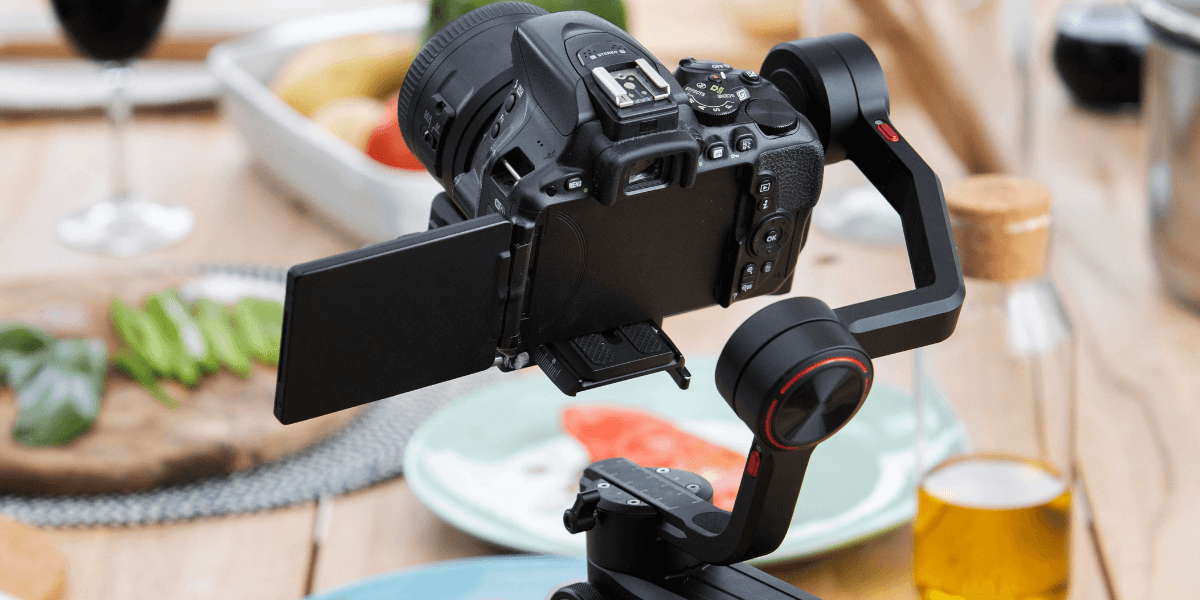
Choosing between a tripod and a gimbal comes down to a straightforward question: do you want locked, razor-sharp stills or smooth motion while you’re moving? This practical comparison reveals when each tool excels, allowing you to select the right support for your shoot and budget.
What is a Tripod?
A tripod is a three-legged stand that holds your camera steady for static shots, long exposures, time-lapses, and interviews. It locks your framing and removes shake entirely when set up correctly, which is essential for sharp images and controlled compositions.
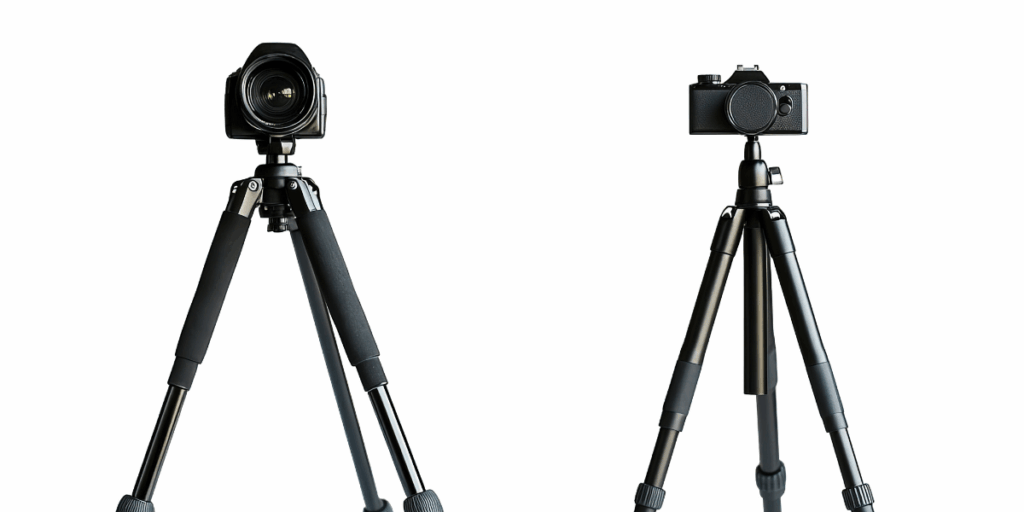
Tripod Benefits for Photographers
- Sharp stills and long exposures: Tripods let you use slow shutter speeds without blur. Vital for night, landscape, and astrophotography.
- Precise composition: A fixed camera lets you fine-tune framing and repeat exact shots for multi-exposure or product work.
- Studio and interview setups: Tripods are simple, stable, and quick to set up for talk-heads and staged scenes.
Practical Tips for Tripod Use
- Match your tripod’s load capacity to your kit: heavier cameras and longer lenses require stronger legs.
- Use a spirit level and a sturdy head for repeatable panning and tilt control.
- Add a weight to the center column in the wind for added stability.
For solid, tested legs and heads, compare prices on camera tripods on Golden Camera.
What is a Gimbal?
A gimbal is a motorized stabilizer that counteracts shakes and unwanted rotation while you move. It keeps footage smooth during walking, tracking, or fluid handheld moves, making it a go-to for dynamic videography and run-and-gun shoots.
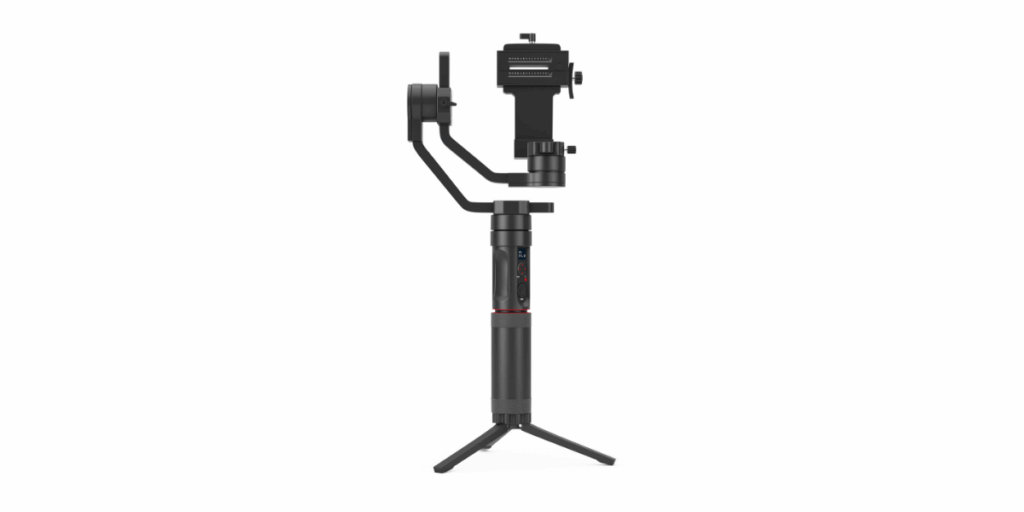
Gimbal Benefits for Videographers
- Smooth motion while moving: Gimbals turn handheld movement into cinematic-looking footage without a dolly or track.
- Versatility in small spaces: When you need to follow action through crowds, rooms, or corridors, a gimbal keeps footage usable and watchable.
- Creative camera moves: Push, pull, and follow shots with consistent horizon correction and minimal post-stabilization.
Practical Tips for Gimbal Use
- Balance the camera precisely before powering up; imbalance causes motor strain and unwanted drift.
- Learn basic gimbal modes (follow, pan follow, lock); each suits different movement styles.
- Watch battery and payload limits; heavy rigs may need higher-rated models or a two-person setup.
Ready to shop? For competitive prices on camera gimbals and expert advice, check our extensive gimbal range.
An Overview of the Pros and Cons of Tripods vs Gimbals
Discover the pros and cons of tripods and gimbals to choose the perfect tool for your photography and videography needs, ensuring stability, creativity, and professional-quality results every time.
Tripods:
Pros: Stable, affordable options available; essential for long exposures and studio work.
Cons: Bulky, slow to reposition, impractical for moving shots.
Gimbals:
Pros: excellent for handheld motion, compact motion options, cinematic movement without heavy rigging.
Cons: battery-dependent, learning curve for smooth operation, limited for true locked-off precision!
Tripod Vs Gimbal Practical Guide: When to Use Each?
- Is your subject stationary? Use a tripod.
- Do you need to move with the subject? Use a gimbal.
- Is low light or long exposure essential? Tripod.
- Are you shooting a run-and-gun event or tracking action? Gimbal.
- Can you afford both? Consider using them together: a tripod for interviews and a gimbal for b-roll and movement.
- If you shoot primarily stills, invest in a sturdy tripod and a quality head before expensive motion gear.
- If your work is video-heavy, a reliable gimbal will significantly improve production value, but factor in extra batteries and a solid balancing practice.
Local Availability and Buying Pointers
Many international stabilizer and tripod brands are available in Pakistan through specialist retailers and local distributors. Check local stock, after-sales service, and compatibility with your camera and lenses before making a purchase. For context on local options and how people in Pakistan are approaching this choice, see regional buying guides.
FAQs
Q1: Can I use a gimbal for long exposure photography?
Not effectively, gimbals stabilize motion but don’t substitute for the absolute stillness a tripod provides during long exposures.
Q2: Do cheaper tripods work for mirrorless cameras?
Yes, for light mirrorless setups, but always check load capacity and stability; a budget tripod may still flex under heavier lenses.
Q3: Will image stabilization (IBIS) replace tripods and gimbals?
IBIS helps, but it cannot match a tripod for long exposures or a gimbal for extended, smooth motion while in motion.
Q4: Can I put a gimbal on a tripod?
Some gimbals allow mounting on tripods for hybrid workflows, but check manufacturer recommendations to avoid damage.
Q5: What is the difference between the benefits of a tripod and a gimbal?
Tripod offers benefits for photographers, including steady shots, better low-light performance, and greater creative control, making it a valuable investment. Gimbal offers benefits for videographers, including smooth cinematic motion, stable tracking shots, and professional-looking footage, making it an essential tool for content creators.
Q6: Which is lighter to carry for travel: a tripod or a gimbal?
Travel tripods are available in ultra-light carbon fiber; gimbals can be compact but usually need extra batteries and accessories. Choose based on the kinds of shots you expect to take.
Q7: Is a gimbal necessary for wedding videography?
Many wedding videographers use gimbals for dynamic reception and couple movement shots, while also keeping a tripod for ceremonies and interviews.
Q8: Can beginners learn to operate a gimbal quickly?
Basic operation is easy, but mastering smooth movement and advanced modes requires practice and repetition.
Final Thoughts
Tripods and gimbals each have their strengths: tripods help you capture sharp images by keeping everything steady, while gimbals bring smooth movement for cinematic shots. Use a tripod for precision, long exposures, or repeated framing. Choose a gimbal for controlled motion or dynamic tracking shots. Incorporate both: tripods for steady shots and gimbals for lively scenes to explore your full creative range.
Thinking about tripods or gimbals? You can count on Golden Camera, the best camera shop in Pakistan, known for its friendly advice, hands-on assistance, and local support. We have got you covered!