
Blog
What Is a Mirrorless Camera? A Clear Explanation

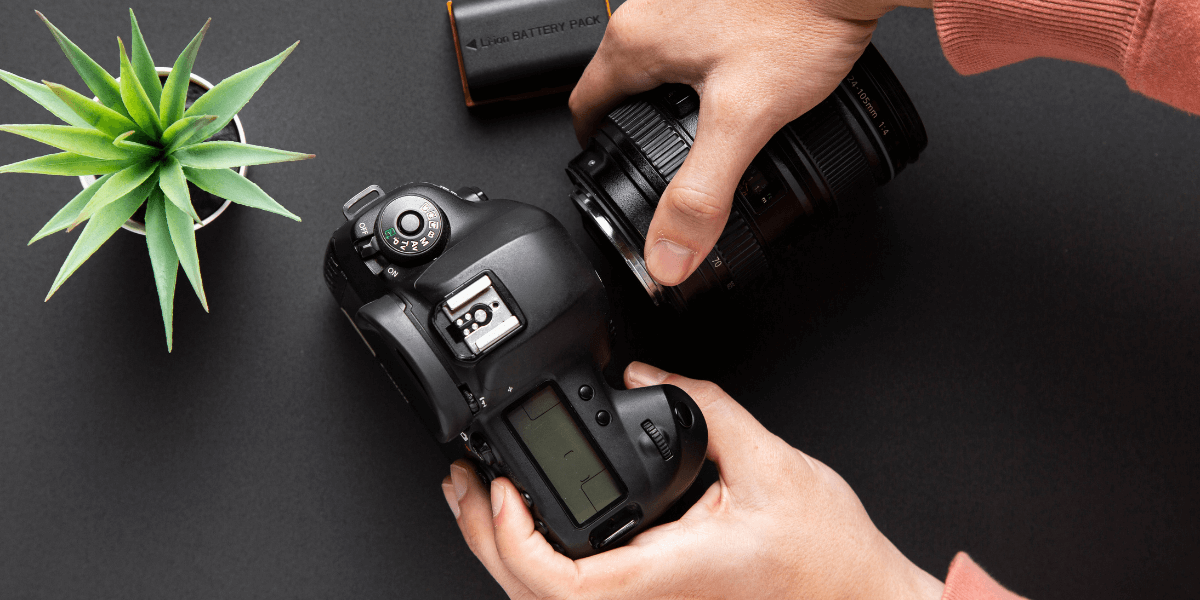
For many years, the solid click of a camera felt like proof that a real photo had been taken. That sound came with moving parts working together inside the body. Today, photography feels quieter and smarter. Mirrorless cameras eliminate the mirror and rely on advanced digital systems. A fast electronic brain now handles focus, exposure, and preview in real time. This change shapes how modern cameras see light, respond quickly, and capture moments smoothly.
What is a Mirrorless Camera
At its core, a mirrorless camera is a digital interchangeable-lens system that skips the reflex mirror found in traditional DSLRs. Light passes straight through the lens to the image sensor. This setup provides a live preview on an electronic viewfinder or the rear screen. Many photographers now prefer this design because it simplifies the camera body while keeping high performance intact.
Features of a Mirrorless Camera
Modern mirrorless cameras offer advanced features that make shooting more intuitive and enjoyable. Here are some standout mirrorless camera features that set them apart.
1. Compact and Lightweight Build
Without the mirror box, these cameras feel much lighter and easier to carry all day. You can slip one into a small bag without feeling weighed down, perfect for travel or street photography.
2. Electronic Viewfinder Advantages
The EVF shows exactly how your shot will turn out, including exposure and color tweaks in real time. This helps you nail the settings before pressing the shutter, reducing surprises later.
3. In-Body Image Stabilization
Many models stabilize the sensor itself, reducing handheld shake. This lets you shoot sharper photos at slower shutter speeds, especially handy in low light.
4. Silent Shooting Mode
An electronic shutter option lets you capture moments without any noise. Great for weddings, wildlife, or quiet events where clicks would disturb the scene.
5. Advanced Video Capabilities
Mirrorless bodies often excel at video, offering 4K or higher resolution and reliable autofocus. These mirrorless camera features make them favorites for hybrid shooters who want strong stills and motion in one package.
Mirrorless vs DSLR: The Key Differences
Let’s get into the classic comparison. The mirrorless vs. DSLR debate remains active, though the industry has clearly shifted. Here’s a breakdown of where they differ.
1. The Viewing System
A DSLR uses an optical viewfinder (OVF). Light passes through the lens, reflects off a mirror, and enters a pentaprism to your eye. A mirrorless camera uses an electronic viewfinder (EVF) or the rear screen. Each has fans. OVF fans love its clarity and zero lag. EVF fans love the live preview of exposure and depth of field.
2. Autofocus Mechanism
DSLRs typically use a separate phase-detection autofocus sensor that is reflected via the mirror. It’s speedy, but its coverage is limited to a cluster in the center of the frame. Mirrorless cameras perform phase-detection (and often contrast-detection) directly on the main imaging sensor. This allows for focus points to be spread edge-to-edge, enabling advanced subject-tracking features.
3. Size and Sound
Mirrorless designs are inherently more compact, though high-end models bridge this gap. The lack of a mirror also makes them quieter. The classic “slap” of a DSLR mirror is gone, replaced by a subtle electronic shutter sound, which can be silenced entirely. This is ideal for weddings, wildlife, or street photography.
4. Battery Life
This is a traditional strength for DSLRs. Looking through an optical viewfinder uses almost no power. Using an EVF, which is a small screen, drains the battery faster. While battery technology in mirrorless cameras has improved dramatically, it’s still a practical consideration for long shooting days.
5. Lens Ecosystems
DSLRs have decades of lens libraries. Mirrorless systems are newer, so while their lens lineups are now very robust, they may not yet offer the same depth of exotic or vintage options. You can use DSLR lenses on mirrorless bodies with adapters, often with full autofocus functionality.
Mirrorless vs DSLR: A Quick Comparison
| Feature | Mirrorless Camera | DSLR Camera |
| Viewfinder | Electronic (EVF) | Optical (OVF) |
| Autofocus Points | Wide coverage across most of the frame | Clustered in the center |
| Size/Weight | Generally, more compact and lighter | Generally larger and heavier |
| Battery Life | Typically, shorter due to EVF/screen use | Typically longer |
| Native Lens Selection | Newer, but growing rapidly | Vast, decades of options |
| Video Features | Often more advanced and integrated | Can be excellent, but often an add-on |
Mirrorless cameras have surged past traditional DSLRs in global sales, with about 5.22 million mirrorless cameras shipped in 2024 compared to just 870,000 DSLRs, according to a report in Amateur Photographer. That means mirrorless models now sell at roughly five times the rate of DSLRs, showing a clear shift toward lighter, faster, and more advanced camera systems.
Finding the Best Mirrorless Cameras
So, what are the best mirrorless cameras? That depends entirely on you. For a beginner, an entry-level model from Sony, Canon, or Nikon is a great starting point. Enthusiasts might look at mid-range models with more controls and better sensors. Professionals will gravitate towards full-frame powerhouses. The good news is that the competition is fierce, meaning there are fantastic options at every price point.
Here’s a list of a few of the best mirrorless cameras you can find on Golden Camera at an affordable price:
- Sony a7R V offers exceptionally high resolution and excellent video capabilities for professionals and creative shooters.
- Sony a7 V balances high resolution with advanced autofocus for versatile photography and video.
- Nikon Z8 is a powerful full-frame model built for demanding image quality and advanced controls.
- Nikon Z6 III delivers strong overall performance with fast autofocus and high-quality imaging.
- Canon EOS R6 Mark II blends strong imaging and video performance with reliable autofocus.
Are you searching for reliable mirrorless cameras in Pakistan? Golden Camera offers trusted brands, updated models, and professional advice, making your camera purchase simple, safe, and satisfying.
FAQs
1. What is a mirrorless camera?
A mirrorless camera uses a digital sensor without an internal mirror mechanism. Light reaches the sensor directly, creating a live electronic preview. This design enables compact bodies, fast autofocus, and silent shooting. Many photographers appreciate real-time exposure previews and lighter kits during extended use.
2. How is a mirrorless camera different from a DSLR?
The main difference lies inside the body. DSLRs use mirrors and optical viewfinders. Mirrorless cameras rely on electronic displays and direct sensor viewing. This change affects size, autofocus coverage, shooting speed, and video performance. Each system suits different preferences and workflows.
3. Are mirrorless cameras good for beginners?
Yes, many mirrorless models are well-suited for beginners. Simple menus, touch screens, and live exposure previews make learning easier. Lightweight bodies reduce fatigue. Entry-level options offer automatic modes while allowing gradual manual control growth as skills improve.
4. Do mirrorless cameras have better autofocus?
Modern mirrorless cameras often deliver superior autofocus. The sensor phase detection covers a large area of the frame. Features like eye detection and subject tracking work effectively. These systems perform well in portrait and action scenes, and for video recording.
5. Are mirrorless cameras more expensive?
Pricing varies by brand and model. Entry-level mirrorless cameras compete closely with DSLRs. High-end mirrorless bodies can cost more due to advanced sensors and processors. Overall value depends on features, lens ecosystem, and intended use.
Wrap-Up: Mirrorless Camera Explained
Mirrorless cameras have transformed photography by offering compact designs with advanced features. By shedding the mirror, these cameras have become quieter, smarter, and more connected to how we create images today. For most new photographers, a mirrorless system offers the most straightforward path to learning and growing.
Golden Camera helps you see the world differently. Shop authentic cameras, get professional support, and turn fleeting moments into lasting photographic masterpieces.