
Blog
10 Tips to Help You Take Better Drone Photos and Videos

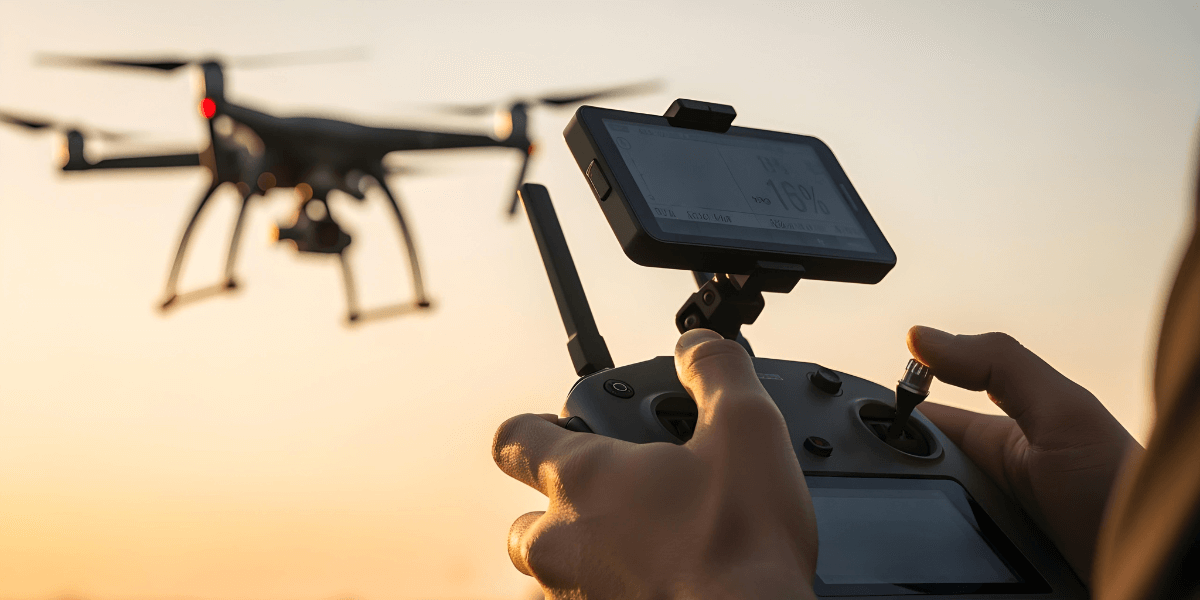
Drones have changed how we capture the world from above. With stunning views that were once hard to get, people can create amazing shots. However, anyone can fly up and press record, but turning those clips and shots into something people remember takes a little know-how. Getting great results starts with simple habits and smart choices. These aerial photography techniques can turn ordinary flights into memorable captures.
Rising Demand for High-Quality Drone Content
According to a report by Precedence Research, the global drone services market is projected to grow significantly, with an estimated value of USD 33.55 billion in 2025. It is expected to reach approximately USD 555.58 billion by 2034, expanding at a compound annual growth rate of 36.60 percent between 2025 and 2034.
This remarkable growth underscores the rising demand for high-quality drone content, making it more critical than ever for hobbyists and professionals to sharpen their skills and capture stunning aerial images and videos.
10 Tips for Outstanding Drone Photography and Videography
These ten tips outline the key steps for capturing high-quality aerial content you can apply to your next flight.
1. Plan Your Flight, But Welcome Surprises
Great aerial shots rarely happen by complete accident. Before you even pack your gear, spend some time with a flight app. Check for no-fly zones, weather conditions, and the sun’s position at your location. This preparation keeps you legal and safe. It also helps you envision your shots. Yet, some of the best moments are unplanned. Keep your eyes open for unexpected patterns, light, or scenes that unfold below you. A solid plan gives you the confidence to capture those magical, spontaneous finds safely.
2. Master the Slow and Smooth Movement
Jerky, fast movements are the biggest giveaway of a beginner. The key to cinematic footage is slow, intentional control. When filming, use gentle stick inputs. Practice sliding sideways, or ascending and descending very gradually. This smooth motion makes your video feel polished and intentional.
While many drones come with built-in gimbals, adding advanced accessories can further improve stability. Using a high-quality camera gimbal and stabilizer setup from Golden Camera’s latest selection from leading brands keeps your camera steady and reduces vibration or shake. This can make a noticeable difference in both photos and video quality.
3. The Golden Hours are Your Best Friend
Light is everything in photography, and that rule is even more pronounced in aerial work. The hour after sunrise and before sunset, known as the golden hour, provides soft, warm, directional light. It creates long, interesting shadows that define landscapes, adds a beautiful glow, and reduces harsh contrasts. Midday sun often results in flat, overexposed photos and videos with minimal shadow detail. Scheduling your flights during these golden windows is one of the simplest yet most powerful aerial photography techniques you can adopt.
4. Understand Your Drone Camera Settings
Flying in full auto mode is fine at takeoff, but unlocking your drone’s full potential requires switching to manual. Learn the relationship between ISO, shutter speed, and aperture if your drone allows it. For video, a good rule is to set your shutter speed to about double your frame rate, which creates natural motion blur. Keeping your ISO as low as possible reduces grain. Taking control of these drone camera settings is essential to achieve consistent, high-quality results across different lighting conditions. That’s how you can take better drone photos.
5. Compose with Purpose from Above
The rules of composition still apply, even at 400 feet. Search for leading lines. Frame subjects using the rule of thirds. Seek out patterns, textures, and contrasts that are only visible from the air. A forest canopy, a geometric farm field, or the curve of a coastline can become a powerful image. Always ask yourself what the focus of your shot is. These deliberate choices are at the heart of all practical drone photography tips.
6. ND Filters Are Not Just a Fad
Think of Neutral Density (ND) filters as sunglasses for your drone’s camera. They reduce the amount of light that reaches the lens. Why is this useful? It allows you to use that ideal shutter speed (double your frame rate) even on a bright day, achieving that cinematic motion blur. For photos, you can use slower shutter speeds to create smooth, silky effects on moving water. They are a critical tool for anyone serious about drone videography tips.
7. Shoot More Than You Think You Need
When you find a great scene or subject, do not just take one pass. Capture it from multiple angles, at different heights, and at varying distances. Get a wide establishing shot, then a closer detail shot. This gives you incredible flexibility when editing. You can create a sequence that tells a story, and you will always have backup footage if one clip has a flaw. This practice is a cornerstone for people seeking guidance on how to take better drone photos and videos.
8. The Magic is in the Edit
Do not let your amazing footage sit untouched on a memory card. Basic editing can elevate your work dramatically. Use software to adjust color, contrast, and exposure, and to correct slightly crooked horizons. For video, learn simple cuts set to music. The goal is not to create unrealistic effects, but to refine and enhance the beauty you captured. A clean, well-paced edit is what separates a casual clip from a shareable masterpiece.
9. Battery Management is a Creative Duty
A creative flow is abruptly interrupted by a low-battery warning. Always start with fully charged batteries, and consider the weather. Cold temperatures can drain batteries much faster. Have a plan for your flight time. Know which shots are your priority. If you are constantly worrying about power, you will rush and make mistakes. Effective power management, including investing in spare batteries, directly supports your creative goals.
10. Safety and Legality Come First
This is the most important tip. Know and follow your local regulations. Respect privacy and maintain a visual line of sight with your drone at all times. A single reckless flight can lead to fines, damaged equipment, and stricter rules for everyone.
Under the new Civil Unmanned Aircraft Rules issued by Pakistan’s Civil Aviation Authority, all drones must be registered, and many operators must hold an official remote pilot license before flying. These rules also set limits on drone categories and restrict flights near airports and sensitive areas, with penalties for non‑compliance.
FAQs
1. What camera settings are best for drone photography?
For optimal results, use manual settings. Start with a low ISO, such as 100, to minimize noise. Adjust your shutter speed to control light and motion sharpness. Set the white balance to match your lighting conditions, and shoot in RAW if possible to retain more editing flexibility later. Sharp focus and correct exposure are key to clean drone photos.
2. Why are my drone videos shaky?
Shaky drone videos often come from rapid or unpredictable drone movement or weak gimbal control. Ensure your drone is stable and use smooth, gradual controls. Also, check that your gimbal is functioning correctly and set up for stable footage. Wind gusts and rapid directional changes will also cause shaking.
3. What is the best time of day for drone photography?
Early morning and late afternoon provide the best light for aerial photography. The soft light at these times brings out rich colors and long shadows, adding depth to your images. Midday light can be harsh and flat. Golden hour is the top choice for many professional drone shooters.
4. Do I need ND filters for drone videos?
ND filters are useful for bright conditions. They reduce light and allow you to use slower shutter speeds, resulting in smoother motion in your videos. For cinematic-style footage, these filters become a valuable part of your setup.
5. Is drone photography legal in Pakistan?
Drone laws in Pakistan require that you follow civil aviation regulations, register certain drones, and avoid restricted airspace. Rules may include limits on flight altitude and on keeping the drone within visual line of sight. Always check up-to-date local laws before flying.
Key Takeaways
Better drone photography and videography rely on knowing your equipment, making smart choices with lighting and composition, and developing precise control over flight and camera movements. By applying these aerial photography techniques and tips, you can quickly see noticeable improvements in your shots. Keep practicing, review your results, and learn from each flight. With patience and creativity, every flight becomes an opportunity to create stunning, memorable aerial content.
Check out our extensive collection at Golden Camera for the best drone camera prices in Pakistan. Affordable options and quality equipment are ready to help you take your aerial content to new heights.