
Blog
Tamron 15-30mm vs Canon/Nikon: Which Performs Best?

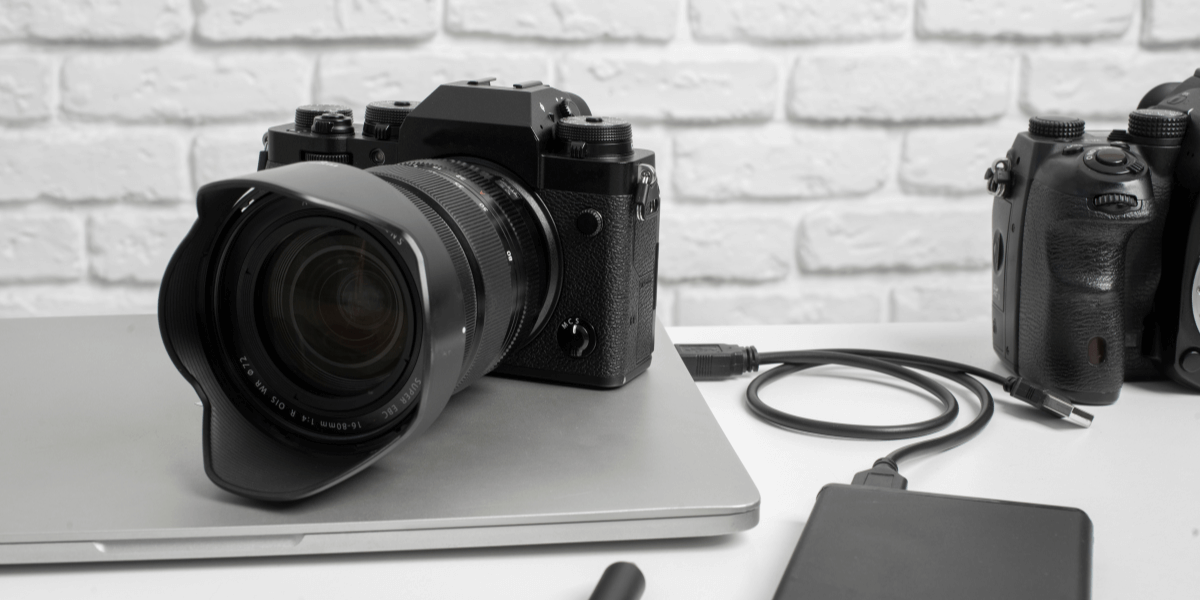
Wide-angle lenses open up the world of photography in ways that standard lenses simply cannot match. They pull more of the scene into the frame, stretch perspectives, and allow photographers to capture breathtaking landscapes, dramatic architecture, and even unique street photography angles. When photographers start comparing lenses in this category, the Tamron 15-30mm often comes up alongside Canon and Nikon alternatives. These comparisons raise questions about image quality, sharpness, handling, and overall performance.
This article takes a close look at the strengths and weaknesses of the Tamron 15-30mm compared with its Canon and Nikon competitors. The goal is to make sense of the details so you can decide which option might be the best match for your photography style.
Why Wide-Angle Lenses Matter?
A wide-angle lens captures more of a scene than a standard or telephoto lens. This capability is especially important for landscapes, interiors, group shots, and architecture. Photographers often ask about the best wide-angle lens for landscape photography because these lenses allow them to include sweeping skies, dramatic foregrounds, and distant horizons in one frame.
The Tamron 15-30mm has gained attention as a strong contender against the more established Canon and Nikon options. What makes this comparison particularly interesting is that Tamron has developed a reputation for producing third-party lenses that often rival or even surpass first-party glass at a more accessible price point.
Canon Wide-Angle Lens Comparison
When it comes to a Canon wide-angle lens comparison, the brand’s main competitor to the Tamron 15-30mm is the Canon EF 16-35mm f/2.8L series. Canon also has other wide-angle offerings, such as the EF 17-40mm f/4L, but the 16-35mm is the closest in spirit to the Tamron lens.
Canon’s wide-angle lenses are known for excellent build quality, reliable autofocus, and outstanding color reproduction. The 16-35mm, for example, is sharp across most of its focal range and performs well in challenging lighting conditions. Canon’s L-series lenses also benefit from strong weather sealing, which makes them durable for outdoor photographers.
When stacked up against the Tamron, Canon still maintains a slight edge in autofocus speed and color science, but Tamron offers a compelling alternative at a lower price with features like built-in image stabilization, which Canon’s equivalent sometimes lacks.
Wide Angle Lens Comparison: Tamron vs Nikon
The wide-angle lens comparison of Tamron vs Nikon is equally fascinating. Nikon’s closest competitor to the Tamron 15-30mm is the AF-S NIKKOR 14-24mm f/2.8G ED. This lens has long been celebrated as one of the sharpest wide-angle lenses available and has often been the standard against which others are measured.
The Nikon 14-24mm produces incredibly sharp images with minimal distortion and superb corner performance. Landscape photographers in particular love this lens because it consistently delivers breathtaking detail across the frame. However, the Nikon lens is older in design and does not include built-in image stabilization.
This is where Tamron steps in with a fresh approach. The 15-30mm includes vibration compensation, giving it a practical advantage for handheld shooting at slower shutter speeds. In terms of sharpness, Tamron competes directly, and in some cases, users have noted that its edges can perform slightly better at certain focal lengths compared with Nikon.
Sharpness Comparison of Tamron 15-30mm with Canon and Nikon
Sharpness is one of the most important aspects to evaluate when comparing lenses. The Tamron 15 30mm sharpness comparison is often discussed in forums and reviews because sharpness directly impacts how detailed a final image appears.
At 15mm, the Tamron lens produces outstanding center sharpness and performs admirably in the corners, especially when stopped down slightly. As you zoom toward 30mm, the lens continues to deliver consistent sharpness, making it a reliable tool for wide shots and close foregrounds.
When comparing the Tamron with Canon and Nikon equivalents, the differences are often subtle. Canon tends to provide a slightly warmer look, while Nikon emphasizes clarity and crispness. Tamron holds its ground remarkably well, proving that third-party glass can meet professional demands without compromise.
Handling and Build Quality
Performance is not just about optics. The feel of a lens in hand can influence a photographer’s experience. The Tamron 15-30mm is built like a tank, with a solid construction and weather sealing that make it dependable in the field. Its weight is noticeable, but that weight also adds to the impression of sturdiness.
Canon’s wide-angle lenses in this category are generally lighter, while Nikon’s 14-24mm is similarly hefty. The Tamron also has a bulbous front element, which means traditional screw-on filters cannot be attached directly. This limitation can be frustrating for landscape photographers who often use polarizers or neutral density filters. Specialized filter holders are required, and while they add to the cost, many photographers accept this as a fair trade for the lens’s optical quality.
Image Stabilization Advantage
One area where the Tamron 15-30mm pulls ahead of both Canon and Nikon is image stabilization. Tamron’s vibration compensation system allows photographers to shoot handheld in low-light conditions with reduced risk of blur. Neither Canon’s EF 16-35mm f/2.8L nor Nikon’s 14-24mm includes stabilization in their older designs.
This difference makes the Tamron particularly attractive for event photographers, travel shooters, or anyone who often works without a tripod. The extra stability provides flexibility, especially when shooting interiors or handheld landscapes at dusk.
Color, Contrast, and Distortion
Color reproduction and contrast are subjective, but they matter when comparing lenses. Canon lenses are known for producing warm, pleasing tones, while Nikon lenses often lean toward cooler, crisper colors. Tamron falls somewhere in between, offering a balanced color profile that can be easily adjusted in post-processing.
In terms of distortion, all wide-angle lenses show some barrel distortion at their widest settings. Tamron performs well here, with distortion levels that are manageable and easily corrected in editing software. Nikon’s 14-24mm still has the reputation of handling distortion slightly better, but the difference is small for most practical purposes.
Who Should Choose Each Lens?
Selecting the right lens between the Tamron 15-30mm, Canon 16-35mm, and Nikon 14-24mm depends largely on your shooting style, brand preference, and budget. Each lens offers unique strengths that cater to different types of photographers and photographic situations.
1. Tamron 15-30mm
The Tamron 15-30mm is often the choice for photographers seeking a balance between performance and affordability. It delivers high-quality optics, wide-angle coverage, and, in many cases, built-in image stabilization, which is particularly useful for handheld shooting in low-light conditions. This lens is ideal for travel, street photography, and landscape work where portability and versatility are important. Its price point is generally lower than the Canon and Nikon equivalents, making it attractive to enthusiasts or professionals who want excellent image quality without exceeding their budget. Photographers who prioritize value and practicality over brand loyalty will find the Tamron an appealing option.
2. Canon 16-35mm
For those already invested in the Canon ecosystem, the 16-35mm lens is a logical choice. It is known for its excellent color reproduction and optical consistency, producing vibrant and accurate images straight out of the camera. This lens is particularly suitable for wedding photography, architecture, and any scenario where faithful color rendition and reliable performance are crucial. Canon users who want a lens that integrates seamlessly with their existing gear, including Canon bodies and accessories, will appreciate the smooth autofocus and overall handling. It is a dependable option for professionals who value predictable results and long-term compatibility.
3. Nikon 14-24mm
The Nikon 14-24mm remains a legendary lens celebrated for its unparalleled sharpness and optical performance. It is often the go-to choice for photographers who demand the ultimate in image clarity, wide-angle coverage, and build quality. This lens excels in landscape, astrophotography, and commercial work where every detail matters. Its reputation for sharp edges, minimal distortion, and exceptional contrast makes it a top choice for professionals who prioritize performance above all else, even if the cost is higher.
When evaluating price versus performance, many photographers notice that the Tamron lens often undercuts Canon and Nikon alternatives, making it a smart purchase for those looking for professional-grade optics without the premium price. Ultimately, your choice should align with your specific shooting needs, camera system, and budget. Understanding each lens’s strengths ensures you get the results you want while investing wisely in your photography gear.
Practical Uses of Tamron 15-30mm, Canon, and Nikon
1. Tamron 15-30mm
The Tamron 15-30mm is particularly well-suited for:
- Landscapes: The wide field of view captures expansive scenes with rich detail.
- Architecture: Its ability to manage distortion helps in photographing interiors and cityscapes.
- Events: Image stabilization and wide aperture allow sharp shots in low-light conditions.
- Travel: While heavy, its versatility makes it a valuable companion for photographers who need both range and quality.
For those who value versatility, the Tamron 15-30mm proves to be one of the most practical tools available in the wide-angle category.
2. Canon 16-35mm
The Canon 16-35mm performs exceptionally well in:
- Landscapes: Its sharp optics and wide coverage make it a favorite for capturing dramatic skies and sweeping vistas.
- Architecture: Minimal distortion and edge-to-edge clarity help deliver precise images of buildings and interiors.
- Documentary & Events: The fast aperture on certain versions (f/2.8) allows confident shooting in challenging lighting conditions.
- Travel: Lightweight compared to other wide zooms, it’s a convenient choice for photographers on the go.
For those seeking a balance of portability, sharpness, and flexibility, the Canon 16-35mm stands out as a reliable wide-angle option.
3. Nikon 14-24mm
The Nikon 14-24mm is highly effective for:
- Landscapes: Its ultra-wide perspective captures dramatic foregrounds and vast horizons with striking sharpness.
- Architecture: Excellent control over chromatic aberration and flare makes it strong for shooting modern glass structures and interiors.
- Astrophotography: With its wide aperture and outstanding edge performance, it’s a popular lens for night skies and star fields.
- Professional Projects: Built for durability and optical excellence, it has long been a go-to lens for working professionals.
For those who demand uncompromising image quality, the Nikon 14-24mm remains one of the most iconic and powerful tools in the wide-angle zoom category.
Comparing Value for Money
Price plays a big role in lens decisions. Canon and Nikon lenses are often priced higher due to their first-party status and long-standing reputations. Tamron, however, delivers competitive performance at a lower cost, which makes it attractive to many photographers.
Those checking current Camera Prices in Pakistan will see how the Tamron option stacks up financially against the more expensive Canon and Nikon lenses. The price difference can be significant, making Tamron a strong contender for budget-conscious professionals and enthusiasts.
Real-World Impressions
User feedback provides valuable insight beyond lab tests. Many photographers who have used both Tamron and Canon or Nikon wide-angles mention that in real-world scenarios, the performance differences are often subtle. Sharpness, contrast, and even build quality are all competitive.
The main deciding factors tend to be brand loyalty, autofocus reliability, and price. Some professionals remain committed to Canon or Nikon because of consistent results across their systems. Others embrace Tamron for the value and unique advantages, such as vibration compensation.
Future Considerations
The world of lenses continues to change as mirrorless systems grow in popularity. Canon, Nikon, and Tamron are all investing in new designs for these cameras. While the comparison here focuses on DSLR lenses, similar debates are beginning with mirrorless wide-angle glass.
For now, the Tamron 15-30mm holds its ground firmly, proving itself as a lens capable of professional-grade performance while keeping costs more approachable.
Conclusion
The question of which wide-angle lens performs best among the Tamron 15-30mm, Canon 16-35mm, and Nikon 14-24mm does not have a single definitive answer. Each lens brings something unique to the table. Canon stands out with its warm color science and established system support. Nikon continues to impress with legendary sharpness and corner performance. Tamron matches both in many respects while offering the added benefit of image stabilization and a more budget-friendly price.
When making your decision, consider your priorities. If cost, stabilization, and competitive sharpness matter most, Tamron is hard to beat. If brand integration and proven first-party performance are your focus, Canon or Nikon remain an excellent choice. In the end, all three lenses are capable of delivering professional-quality results in wide-angle photography.
Curious about Tamron 15-30mm’s Price in Pakistan? Ready to take your photography further with the right lens choice? Golden Camera offers expert advice, trusted service, and a wide range of options to help you achieve the results you want. Connect with us today and let us guide you toward the perfect gear for your creative journey.