
Blog
What Is a Dynamic Microphone, and When Should You Use It?

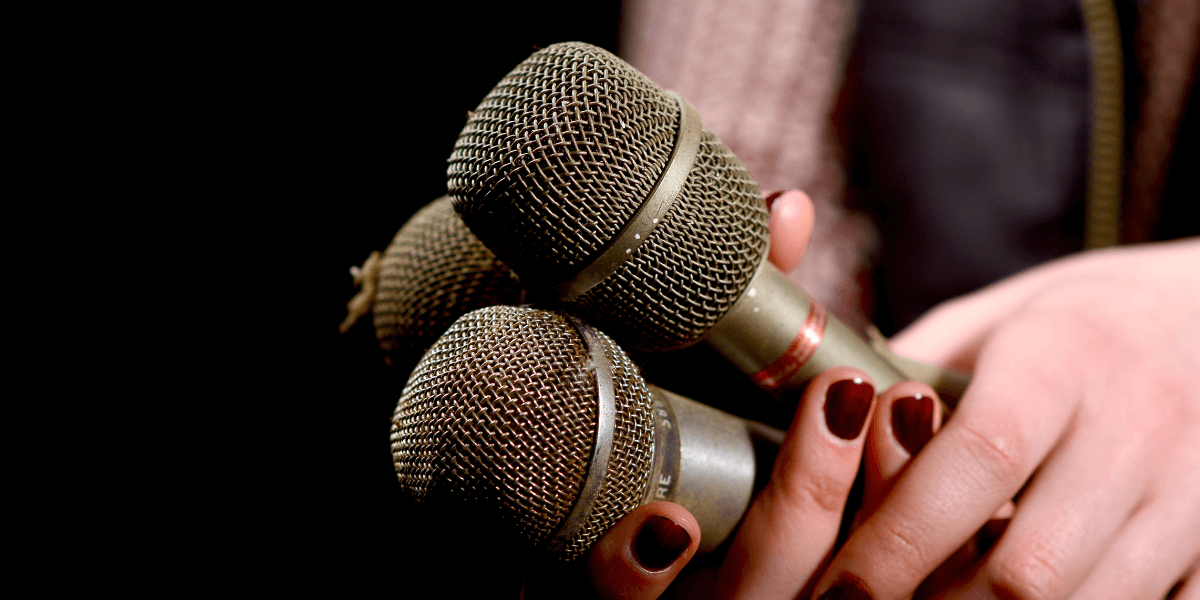
A dynamic microphone is one of the most trusted tools in audio recording and live performance. Known for durability and clear sound, it handles loud environments with ease. If it’s for vocals, instruments, or broadcasting, dynamic mics are versatile and reliable.
Let’s explore what makes them essential and when to use them.
What is a Dynamic Microphone?
A dynamic microphone is a rugged, passive microphone type commonly used for live sound, broadcast, and recording louder sources. If you’re wondering what a dynamic microphone is, think of it as a simple, trouble-proof tool that captures sound without needing external power or delicate electronics. Dynamic mics are prized for durability, predictable performance on stage, and ease of use, especially in noisy or demanding environments.
How it Works?
So, how does a dynamic microphone work? Inside the capsule, there’s a thin diaphragm attached to a small coil of wire. That coil sits in a magnetic field. When sound hits the diaphragm, it makes an electrical signal that goes to your recorder. This simple process allows dynamic mics to handle rough handling and high sound pressure levels.
Parts of a Dynamic Microphone
The main dynamic microphone parts are the diaphragm, voice coil, magnet, capsule housing, and an output connector or transformer. Some designs add internal shock mounts, screens, or pop filters to reduce handling noise and plosives.
Those capsule components, diaphragm + coil + magnet, are the heart of the mic; everything else supports stability, comfort, or a particular tonal character.
Types of Dynamic Microphones
There are a few broad families within dynamics, and each serves different tasks.
1. Moving-Coil (Handheld/Live) Dynamics
These are the most common, rugged handheld mics like the Shure SM58 or instrument staples like the SM57. They handle loud sources, are forgiving with placement, and are the industry standard on stage and in practice rooms!
2. Ribbon Dynamics
Ribbon mics are fragile dynamics using a metal ribbon as the moving element, offering a smooth, natural tone. They are chosen for specific instruments or vintage recordings but require careful handling and sometimes special transformers or preamps due to their lower output.
3. Specialist Dynamic Designs
Some dynamic mics are designed for specific tasks: kick drum mics with tuned response, broadcast mics with pop resistance and hum shielding (e.g., RE-20, SM7B), and instrument dynamics for close placement near guitar amps or brass. These help achieve great results without much processing.
If you’re shopping locally and seek hands-on advice or want to compare models, we have a wide range of stocked options and accessories for both creators and professionals. Explore the best photography equipment in Pakistan at Golden Camera.
Uses Of a Dynamic Microphone
The uses cover a wide range of real-world tasks:
1. Live Performance and Stage
Dynamics are the go-to choice for live vocals and instrument miking because they resist feedback, tolerate moisture and drops, and don’t need phantom power. They’re predictable in loud environments, which makes soundchecks simpler.
2. Recording Loud Instruments
Guitar cabinets, snare, toms, and brass often pair well with dynamic mics. Their lower sensitivity and higher maximum SPL make them ideal for capturing punchy, controlled sounds without distortion.
3. Broadcasting, Podcasting, And Streaming
Specific broadcast dynamics block room noise and proximity issues, providing a warm, focused vocal presence. For podcasters and streamers in untreated rooms, a dynamic mic may sound better than a condenser because it captures less ambient reverb.
When to Choose a Dynamic Mic?
Choose a dynamic mic when you need toughness, simplicity, and reliability: live shows, loud instruments, basic podcast or broadcast setups in untreated rooms, or situations where you might drop or expose the mic to wind and moisture.
Practical Tips for Buying and Using a Dynamic Mic
- Match the mic’s polar pattern and frequency response to your source (cardioid for vocals, hypercardioid for rejection, etc.).
- Use proper mic technique: distance and angle change tone significantly.
- Consider a small external preamp for low-output dynamics (some broadcast mics need gain).
- Always test the mic in your actual room or stage before committing to it.
FAQs
1. Will a dynamic mic work for home podcasting?
Yes, many podcasters use broadcast-style dynamic mics to reduce room noise and get a focused spoken-word sound.
2. Do dynamic microphones need phantom power?
Most moving-coil dynamic mics do not require phantom power; ribbon mics sometimes have special requirements, so check the manufacturer’s notes.
3. Is a dynamic mic better for vocals than a condenser?
“Better” depends on context: dynamics are better in loud or untreated rooms and for live work; however, condensers capture more detail in controlled studio settings.
4. Can you use a dynamic mic for acoustic guitar?
Yes, especially close-miking a guitar amp or when you want a tight, punchy sound. For full acoustic capture, consider pairing with a condenser.
5. Do dynamic mics break easily?
Standard moving-coil dynamics are sturdy; ribbons are more delicate and need careful handling.
6. How do I get more volume from a low-output dynamic mic?
Use a clean preamp with plenty of gain, or a mic activator/booster if needed.
7. Are USB dynamics available?
Yes, some dynamics come in USB variants or hybrid USB/XLR designs, useful for simple podcast setups.
8. Which dynamic mic is best for a kick drum?
Look for models designed for low frequencies and high SPLs (e.g., D112-style or similar). Test in your room to find the right attack and low-end balance.
Final Thoughts
Dynamic microphones are a practical, resilient choice for many real-world audio tasks, from live vocals to broadcasting and instrument miking. They’re mechanically simple, reliable in tough conditions, and often more forgiving of less-than-ideal rooms. If you need a go-to mic that simply works, a dynamic is a smart starting point.
For local purchases and the latest gear, including brand comparisons and warranties, check reputable sellers, and for current prices on microphones in Pakistan, connect with our experts to compare models and deals.