
Blog
What is Color Temperature & Why It’s Important in Photography

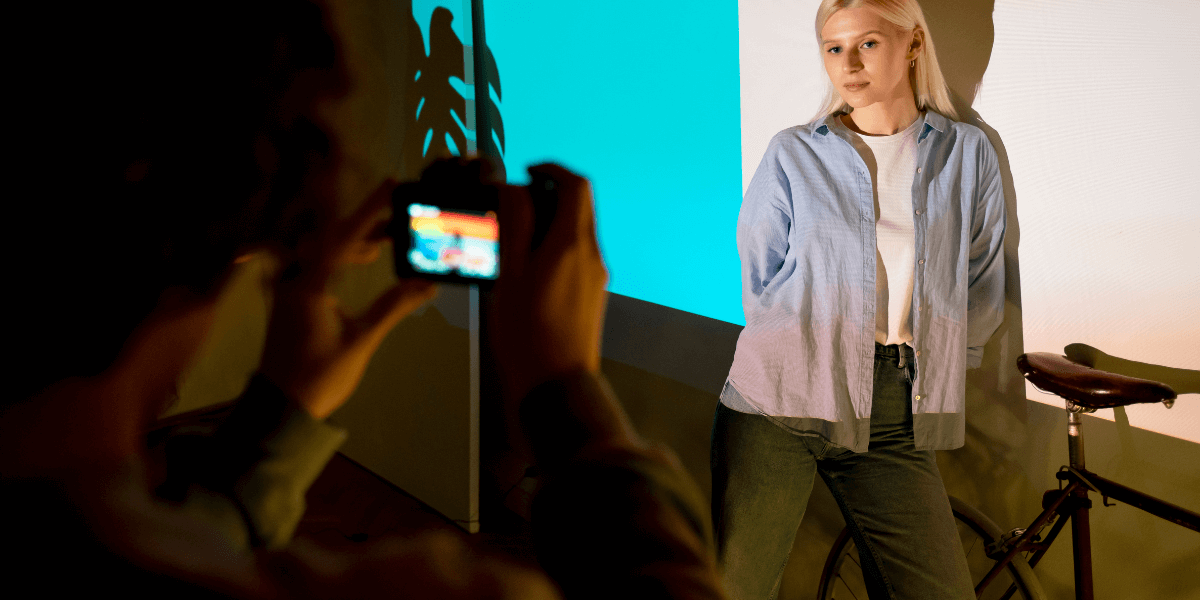
Color temperature might sound like technical jargon best left to lighting experts, but if you’re into photography, even as a beginner, it’s something you need to get comfortable with. Why? Because how warm or cool your image looks depends on it. From cozy indoor portraits to vibrant daylight scenes, color temperature plays a massive role in setting the tone, mood, and accuracy of your shots.
Let’s break down what color temperature is and why it matters more than you might think.
What Exactly Is Color Temperature?
Color temperature refers to the warmth or coolness of a light source, measured in Kelvin (K). Simply put:
- Lower values give warm, yellowish light.
- Higher values like 5500K–9000K give bluish light.
Daylight typically falls around 5500K–6500K, while incandescent bulbs range between 2500K–3000K.
Why it’s Not Just About Color
It’s tempting to see it as just “blue” or “orange” light, but color temperature affects more than that.
- Skin tone realism in portraits
- Mood and atmosphere
- White balance accuracy
- Post-processing workflow
Why Color Temperature Matters in Photography
Color temperature sets the mood. Wrong settings can ruin your photo.
- Washed-out skin tones
- Distracting color casts
- Time-consuming corrections in editing
If you want your photos to look natural or professional, nailing the color temperature in photography is non-negotiable.
Control Starts With White Balance
This is where white balance photography comes into play. Your camera uses white balance settings to correct for different color temperatures. Most DSLRs and mirrorless cameras come with presets like:
- Daylight
- Cloudy
- Tungsten
- Fluorescent
- Custom
Getting your white balance right can save you hours in post-processing, especially for event, product, or portrait photography.
How to Adjust Color Temperature for Better Shots
Manual vs Auto White Balance
Relying on Auto White Balance (AWB) may work in some scenarios, but not always. For example, under mixed lighting (say, daylight mixed with warm indoor light), your camera might struggle to produce accurate colors.
Using Kelvin Settings
Most mid to high-end cameras allow manual adjustment using Kelvin values. Here’s a quick guide:
- 3200K – Great for indoor, tungsten lighting
- 5600K – Best for daylight
- 7000K+ – Ideal for heavily overcast or blueish environments
Setting the Kelvin manually provides greater control and predictability, especially in controlled environments such as studios.
Color Temperature and Different Lighting Conditions
Natural Light
During the day, natural light constantly shifts in color temperature:
- Golden hour (warm light) is around 3000–4000K.
- Midday sun (neutral light) is around 5500K.
- Shade (cool light) can be 7000K+.
Being aware of this helps you adapt settings on the fly for accurate color reproduction.
Artificial Light
Artificial lighting brings its challenges. Different light sources emit different temperatures:
- Tungsten bulbs – 2500–3200K (warm)
- Fluorescent lights – 4000–5000K (cool and sometimes greenish)
- LED panels – Variable (some allow Kelvin adjustments)
Color temperature lighting plays a vital role. Choosing the right artificial light and matching your white balance is essential for studio or indoor photography.
Tips for Managing Color Temperature in Practice
Read about the tips that you can follow to manage color temperature in practice:
Shoot in RAW
Always shoot in RAW format if you’re not sure about your white balance. RAW files retain all image data, making it easier to correct color temperature during post-processing without quality loss.
Use a Gray Card or Color Checker
Professional photographers use gray cards or color checkers to set custom white balance before shooting. This ensures color accuracy, especially in product and fashion shoots.
Monitor Calibration Matters
Ever edited a photo only to realize it looks weird on another screen? That’s because your monitor might be uncalibrated. Color accuracy during editing is directly linked to how your display interprets color temperature.
Studio Photography & Color Accuracy
When working in controlled setups, studio lighting equipment often includes LED panels, strobes, and softboxes. Most professional lighting gear allows Kelvin adjustments, which gives photographers the freedom to fine-tune the color temperature for consistent results.
For example, using two different lights, one set at 5500K and another at 3200K, can create an unnatural color mix if not adjusted. That’s why consistent lighting temperature is key to producing natural-looking photos in the studio.
Why Pakistani Photographers Should Prioritize Color Temperature
In Pakistan, where daylight can be intense and indoor lighting often relies on incandescent or energy savers, managing color temperature is vital for every genre, from weddings to fashion to commercial shoots.
If you’re just starting or looking to upgrade, reliable photographic equipment in Pakistan is available at trusted stores like Golden Camera, where you can explore a wide range of lighting and camera gear designed for optimal color management.
FAQs
1. Can I fix color temperature issues in editing?
Yes, mainly if you shoot in RAW. You can adjust the white balance slider to correct for warm or cool tones without damaging image quality.
2. Best white balance for outdoor photos?
Use the “Daylight” or “Cloudy” preset, or manually set the Kelvin to around 5500K–6500K depending on the lighting condition.
3. How do I avoid unnatural skin tones?
Correct white balance and lighting are key. Try using a gray card or adjusting the Kelvin setting manually to match the light source.
4. Is it okay to mix light sources?
It’s best to avoid mixing lights of different color temperatures unless you’re intentionally creating a specific effect. Otherwise, it can cause uneven color casts.
5. Does every camera have Kelvin adjustments?
No. Entry-level cameras may not offer full manual Kelvin settings, but most mid-range to professional models do.
6. What’s the quickest way to get accurate color temperature?
Use a white balance preset closest to your lighting, or invest in a color temperature meter or gray card for custom settings.
Final Thoughts
Mastering color temperature initially seems technical, but it quickly becomes intuitive. When working with natural light or studio setups, understanding white balance and lighting temperatures can boost your photography from amateur to professional. Take control of your color quality, adjust, adapt, and ensure your photos display natural, stunning tones that reflect your creative vision. Since you’ve made it to the bottom of the blog, we’re excited to share some great news with you! If you’re looking for studio lighting equipment in Pakistan, there’s no need to worry, we’ve got you covered. Explore our premium selections and get yours today!